Content Feed

Discover interesting content about books and writing

Tip May 23, 05:46 PM

Climax and Resolution
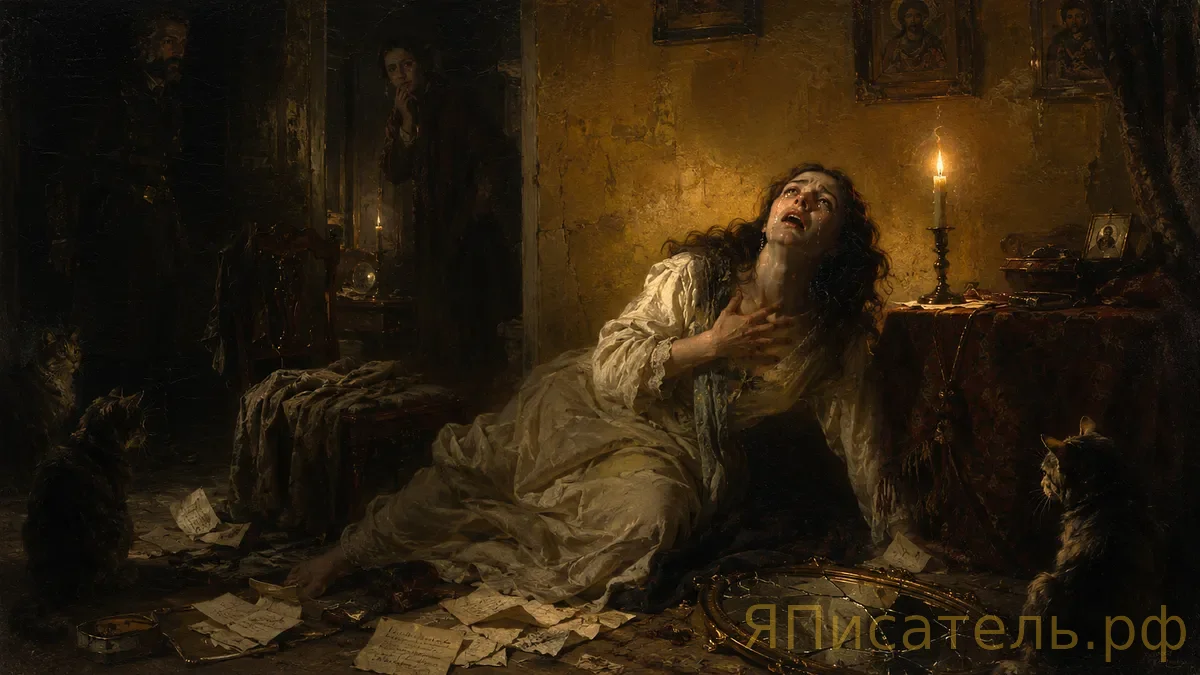
Climax and Resolution

Master how Russian writers construct climactic moments where internal and external conflicts converge. Effective climax emerges inevitably from prior events while offering genuine transformation.

The climax in Russian literature represents convergence of internal and external conflict where accumulated tension reaches breaking point and character choice becomes inevitable. Unlike formulaic climaxes where heroes triumph through virtue or effort, Russian climaxes often feature moral ambiguity, pyrrhic victory, or bittersweet transformation. The climax emerges not through sudden external event but through accumulation of prior actions, choices, and pressures that leave protagonists no viable alternative. Dostoevsky's climaxes involve psychological breakdown rather than external resolution: Raskolnikov's crisis comes not from police capture but from internal spiritual devastation. The climactic moment transforms understanding of everything preceding it: readers recognize that prior events made this conclusion inevitable while remaining surprised by its specific form. Russian writers often denied readers the satisfaction of complete resolution; climaxes answered major questions while leaving smaller ones unanswered, provided psychological insight without material security, or offered spiritual transformation without external improvement. The resolution following climax might extend beyond the dramatic moment: Russian literature often included extended denouement examining implications and aftermath rather than abruptly ceasing at the moment of maximum excitement. This technique permits exploration of how characters integrate crisis, what they learn from transformation, and what their changed understanding means for future life.

Tip May 9, 09:31 AM

Craft Satisfying Endings That Fulfill Story Promises

Endings must feel both inevitable and surprising, fulfilling the story's thematic promises while providing genuine emotional and plot resolution. Avoid cheap tricks, but embrace meaningful ambiguity if it serves the story.

An ending must feel simultaneously inevitable and surprising. Readers should look back and recognize that everything pointed toward this conclusion, yet the specific form of that conclusion should still carry impact. Endings fulfill the promises made in your opening—they should resolve the central conflict, complete character arcs, and deliver on thematic implications established throughout the narrative. Poor endings either feel arbitrary (unconnected to what came before) or feel unearned (the character achieves goals without appropriate struggle). Strong endings show consequences of character choices and prove that the character has changed through their journey, or conversely, prove their refusal to change and the consequences of that stubbornness. Ambiguous endings can be powerful if they're genuinely ambiguous—the reader can reasonably interpret events in multiple ways, each interpretation meaningful and supported by the narrative. Avoid ambiguity that simply means you didn't know how to end the story. Russian literature often employs endings that suggest continuation beyond the page—life continues with new questions and conflicts emerging. This can be powerful, suggesting that stories don't resolve neatly but continue into unknowable futures. However, such endings require that the reader feels the character has genuinely changed or that their situation has fundamentally shifted, even if external resolution remains uncertain. Give yourself permission to revise endings extensively. If your ending feels forced or unsatisfying during revision, trust that instinct. Spend time discovering what ending truly completes your story's arc. Many writers discover their genuine ending exists earlier in the manuscript and must delete material after it.

Nothing to read? Create your own book and read it! Like I do.

Create a book
1x

"Start telling the stories that only you can tell." — Neil Gaiman