Content Feed

Discover interesting content about books and writing

Tip May 23, 05:46 PM

Climax and Resolution
Climax and Resolution

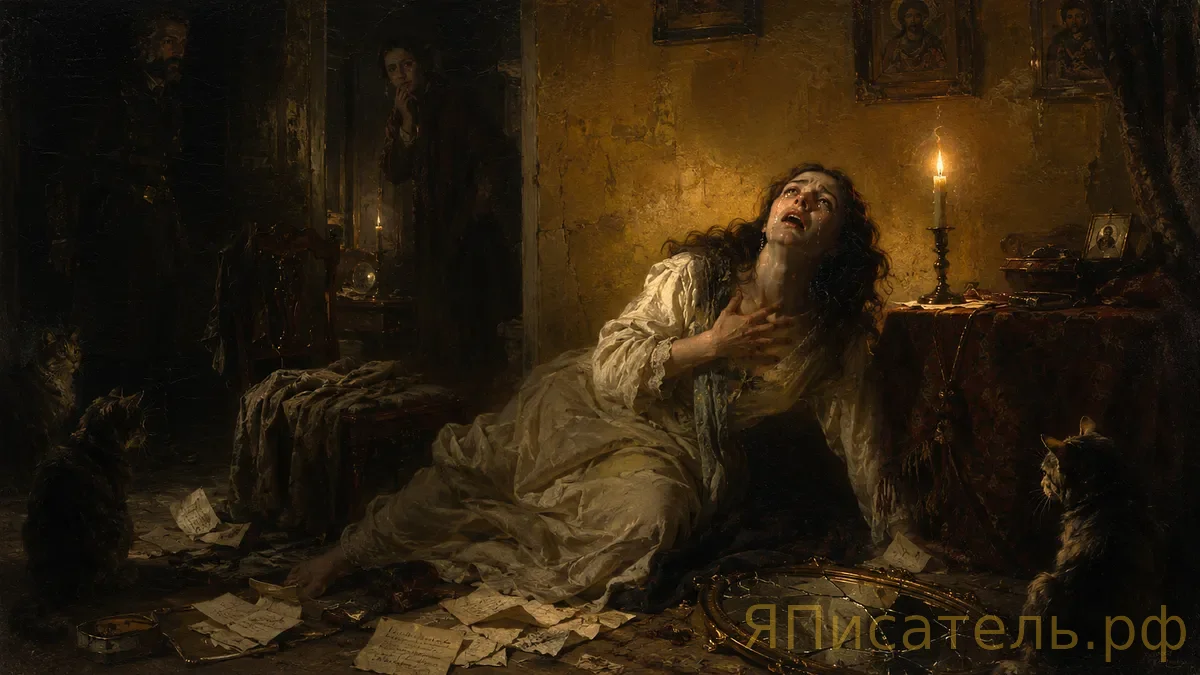
Master how Russian writers construct climactic moments where internal and external conflicts converge. Effective climax emerges inevitably from prior events while offering genuine transformation.

The climax in Russian literature represents convergence of internal and external conflict where accumulated tension reaches breaking point and character choice becomes inevitable. Unlike formulaic climaxes where heroes triumph through virtue or effort, Russian climaxes often feature moral ambiguity, pyrrhic victory, or bittersweet transformation. The climax emerges not through sudden external event but through accumulation of prior actions, choices, and pressures that leave protagonists no viable alternative. Dostoevsky's climaxes involve psychological breakdown rather than external resolution: Raskolnikov's crisis comes not from police capture but from internal spiritual devastation. The climactic moment transforms understanding of everything preceding it: readers recognize that prior events made this conclusion inevitable while remaining surprised by its specific form. Russian writers often denied readers the satisfaction of complete resolution; climaxes answered major questions while leaving smaller ones unanswered, provided psychological insight without material security, or offered spiritual transformation without external improvement. The resolution following climax might extend beyond the dramatic moment: Russian literature often included extended denouement examining implications and aftermath rather than abruptly ceasing at the moment of maximum excitement. This technique permits exploration of how characters integrate crisis, what they learn from transformation, and what their changed understanding means for future life.
Tip May 23, 01:16 PM

Conflict and Tension Management

Conflict and Tension Management

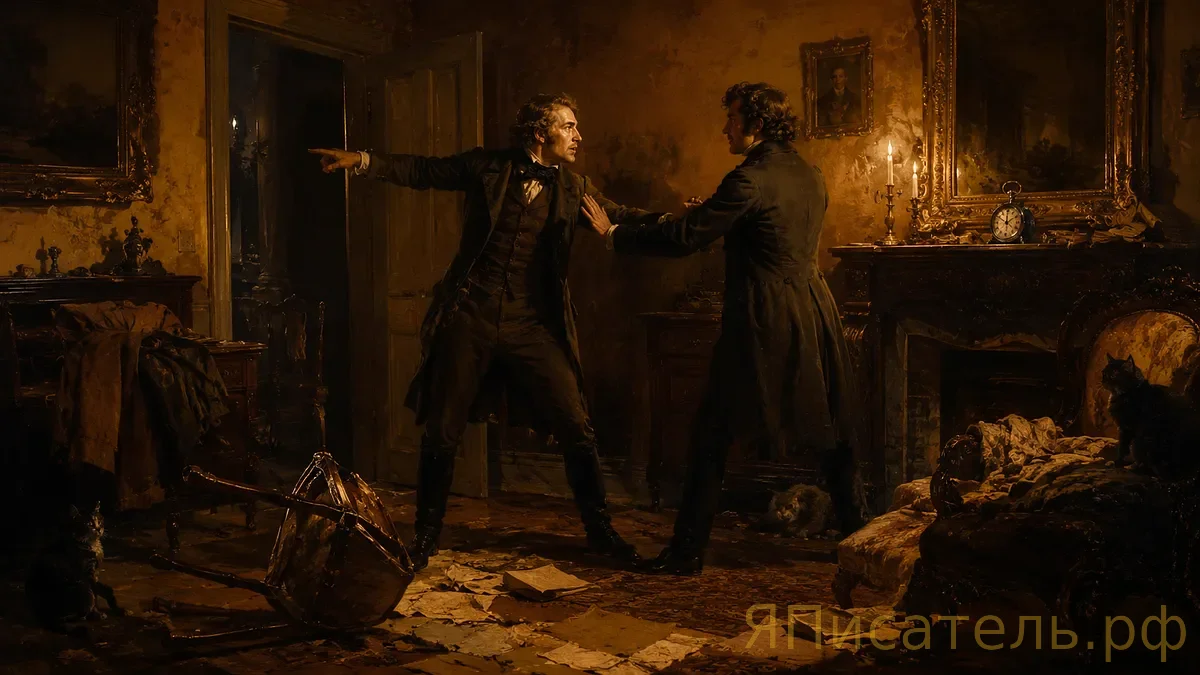
Master how Russian writers construct conflict at multiple levels—external action, internal contradiction, and philosophical opposition. Effective conflict sustains reader engagement while revealing character and theme.

Conflict in Russian prose extends beyond simple antagonism between characters; it encompasses internal contradiction, ideological opposition, and struggle against circumstance. Russian writers layered conflicts: a character might struggle against an antagonist while simultaneously battling internal doubt and broader social forces. The most compelling Russian conflicts are those without clear resolution—irreconcilable positions held by sympathetic characters, impossible situations where all choices carry cost. Tension management involves controlling pacing through escalation: introducing conflict, raising stakes incrementally, denying easy resolution, and forcing characters into increasingly difficult positions. Russian prose often employs a form of tension where conflicts are stated philosophically but played out psychologically: characters debate fundamental questions about morality, faith, and meaning while experiencing personal crises that make abstract philosophy urgently concrete. The technique requires showing conflict through consistent pressure: characters cannot ignore problems, cannot escape consequences, cannot achieve victory without genuine cost. Russian writers understood that tension emerges not from sudden dramatic events but from accumulated pressure, impossible choices, and escalating complications that leave characters no viable path forward without sacrifice.

Tip May 9, 06:01 AM

Structure Your Narrative Arc for Maximum Impact

A compelling story follows a recognizable arc: exposition, rising action, climax, falling action, and resolution. Understanding this structure allows you to control pacing, manage reader expectations, and deliver satisfying conclusions.

The classical narrative arc provides a framework that has resonated across centuries and cultures. Exposition introduces the world and characters; rising action develops conflict and tension; the climax presents the point of maximum tension where the protagonist must act; falling action shows consequences; resolution provides closure. This structure isn't rigid—modern literature often deconstructs or inverts it—but understanding it gives you control over reader engagement. The inciting incident disrupts the protagonist's ordinary world and forces them to pursue a goal. Each subsequent scene should raise stakes, complicate the protagonist's path, or deepen characterization. Russian literature frequently employs extended exposition to establish psychological and social context before major action erupts. Crime and Punishment spends considerable time in Raskolnikov's mind before the murder, making the crime's consequences psychologically devastating rather than merely plotwise significant. Recognize that pacing isn't determined solely by how much happens but by how much emotional or philosophical weight each moment carries. A quiet conversation can carry more dramatic weight than action sequences if it represents a crucial decision point for your character. Structure serves the story's emotional and thematic purposes, not the reverse. Consider what your climax should reveal about your characters and themes, then construct your rising action to make that moment inevitable and earned.

Nothing to read? Create your own book and read it! Like I do.

Create a book
1x

"Writing is thinking. To write well is to think clearly." — Isaac Asimov