Content Feed

Discover interesting content about books and writing

Tip May 23, 02:46 PM

Voice and Point of View
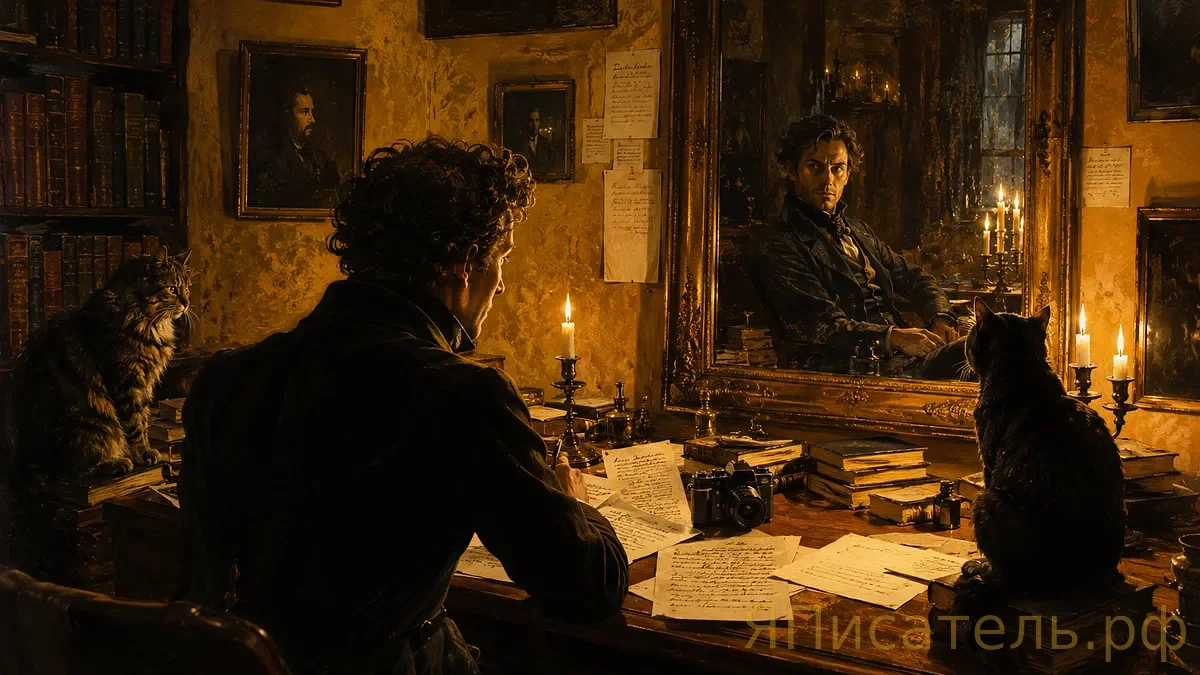
Voice and Point of View

Master how Russian writers establish narrative voice—whether first person, limited third person, or omniscient—and maintain consistent perspective. Voice carries author's philosophy and shapes reader's relationship to story.

Voice in Russian literature encompasses more than technical point of view; it represents the narrator's personality, values, and attitude toward the narrative being presented. First-person narrators in Russian prose bring intimacy and unreliability: readers experience events through a character's consciousness while aware of potential limitations or biases. Third-person limited point of view remains common in Russian tradition, allowing intimate access to one character's thoughts while maintaining authorial distance. Omniscient narration, employed extensively by Tolstoy, permits authorial commentary and broad perspective while risking distance from character experience. Effective voice maintains consistency: readers should sense the same narrator throughout, though that narrator might reveal depths and contradictions. Russian writers often established distinctive narrative voices that shaped how readers interpreted events: a cynical narrator frames events differently than an idealistic one, a detached observer creates different effects than an emotionally engaged participant. Voice also carries philosophical weight; Dostoevsky's narrators embody spiritual questioning, while Tolstoy's suggest moral authority. The writer must decide what the narrator knows, what the narrator reveals to readers versus conceals, and what the narrator's relationship to events becomes. Readers intuitively understand narrator reliability through voice: trustworthy narrators seem measured and self-aware, unreliable ones display inconsistency, self-deception, or obvious bias.


Joke Jan 30, 09:31 AM

The Omniscient Problem

"My narrator knows too much."

"That's fine for omniscient POV."

"He knows my bank PIN. I don't remember writing that."

"..."

"He just corrected my spelling. In this conversation."

Tip May 9, 08:31 AM

Understand Point of View and Narrative Perspective

Point of view determines what information readers access and how close they feel to characters. First person, third person limited, and omniscient narration each create different effects and require different handling.

Point of view is the lens through which readers experience your story. First-person narration creates intimacy and direct connection with a narrator, but limits information to what that character knows. Third-person limited narration provides flexibility while maintaining emotional closeness to the protagonist, allowing access to internal thoughts and feelings. Omniscient narration provides complete knowledge but can create emotional distance. Each approach shapes what readers know, when they know it, and how they interpret events. First-person narration carries the implicit promise that the narrator survives to tell the story (affecting suspense) and that their perspective reflects reality—though unreliable narrators can complicate this. Third-person limited is popular because it provides both closeness and flexibility, allowing readers to experience events roughly as the protagonist experiences them while permitting narrative descriptions beyond their immediate perception. Omniscient narration, common in 19th-century literature, provides broader perspective but requires careful handling to avoid narratorial intrusion that diminishes emotional impact. Consider consistency—if you choose third-person limited, maintain fidelity to that character's perspective within scenes. Don't suddenly access another character's thoughts. Shifts in perspective should be deliberate, marked by scene or chapter breaks. Russian literature frequently employs omniscient narration to provide psychological insight and philosophical commentary, but modern readers expect closer perspectives. Choose point of view based on emotional effects you want to create, then respect your choice throughout the manuscript. Perspective choices profoundly affect how readers interpret events and characters.

Nothing to read? Create your own book and read it! Like I do.

Create a book
1x

"Good writing is like a windowpane." — George Orwell