Content Feed

Discover interesting content about books and writing

Tip May 23, 02:46 PM

Voice and Point of View
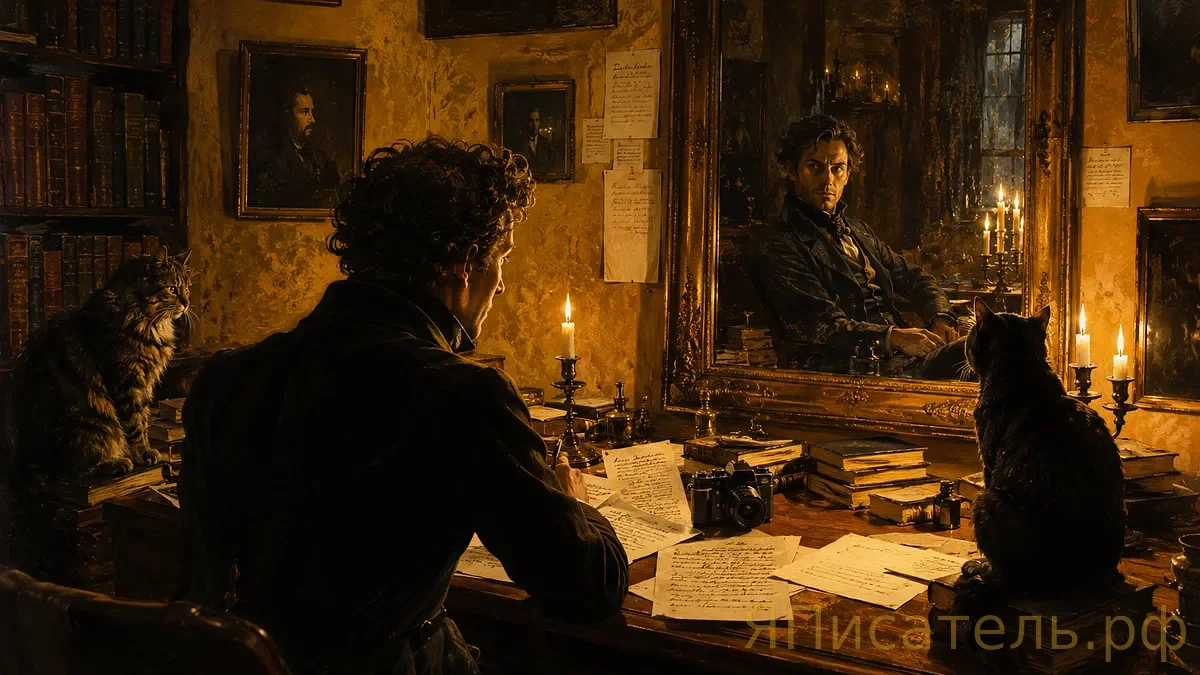
Voice and Point of View

Master how Russian writers establish narrative voice—whether first person, limited third person, or omniscient—and maintain consistent perspective. Voice carries author's philosophy and shapes reader's relationship to story.

Voice in Russian literature encompasses more than technical point of view; it represents the narrator's personality, values, and attitude toward the narrative being presented. First-person narrators in Russian prose bring intimacy and unreliability: readers experience events through a character's consciousness while aware of potential limitations or biases. Third-person limited point of view remains common in Russian tradition, allowing intimate access to one character's thoughts while maintaining authorial distance. Omniscient narration, employed extensively by Tolstoy, permits authorial commentary and broad perspective while risking distance from character experience. Effective voice maintains consistency: readers should sense the same narrator throughout, though that narrator might reveal depths and contradictions. Russian writers often established distinctive narrative voices that shaped how readers interpreted events: a cynical narrator frames events differently than an idealistic one, a detached observer creates different effects than an emotionally engaged participant. Voice also carries philosophical weight; Dostoevsky's narrators embody spiritual questioning, while Tolstoy's suggest moral authority. The writer must decide what the narrator knows, what the narrator reveals to readers versus conceals, and what the narrator's relationship to events becomes. Readers intuitively understand narrator reliability through voice: trustworthy narrators seem measured and self-aware, unreliable ones display inconsistency, self-deception, or obvious bias.

Tip May 9, 11:32 AM

Find Your Unique Voice Rather Than Imitating Others

Your voice is the distinctive way your consciousness expresses itself on the page. Developing authentic voice requires writing consistently, reading voraciously, and trusting your own perspective and sensibility.

Beginning writers often believe they must imitate the styles of published authors they admire. This impulse is understandable but counterproductive. While studying technique is essential, attempting to write in another's voice produces derivative work that lacks conviction. Your voice emerges through consistent engagement with writing and life. Voice includes vocabulary choices, sentence rhythm, what you notice and care about describing, your perspective on human nature, and your particular sensibility. Some writers notice physical details; others focus on psychological states. Some use elaborate metaphors; others prefer stark simplicity. Neither approach is superior—what matters is that your choices reflect genuine preferences rather than assumed requirements. Reading extensively is essential, but don't imitate the author you're reading. Instead, absorb their techniques and apply them through your own sensibility. If you admire an author's dialogue, study how they construct it. Listen to how they balance exposition with action, how they handle emotional moments. Then write dialogue in your own voice with techniques you've learned. Your voice strengthens through practice and through trusting your perspective. Readers respond to authenticity—they feel when a writer is trying to sound like someone else, and they find it unconvincing. The voice that emerges from honest engagement with your material and genuine perspective on human experience is the voice worth developing. Early work may feel derivative, but as you write more, your distinctive voice will emerge. This voice is not something to consciously construct; it's something to discover through the act of writing itself.

Nothing to read? Create your own book and read it! Like I do.

Create a book
1x

"Good writing is like a windowpane." — George Orwell