Content Feed

Discover interesting content about books and writing

Tip May 23, 07:46 PM

Minimalism and Restraint
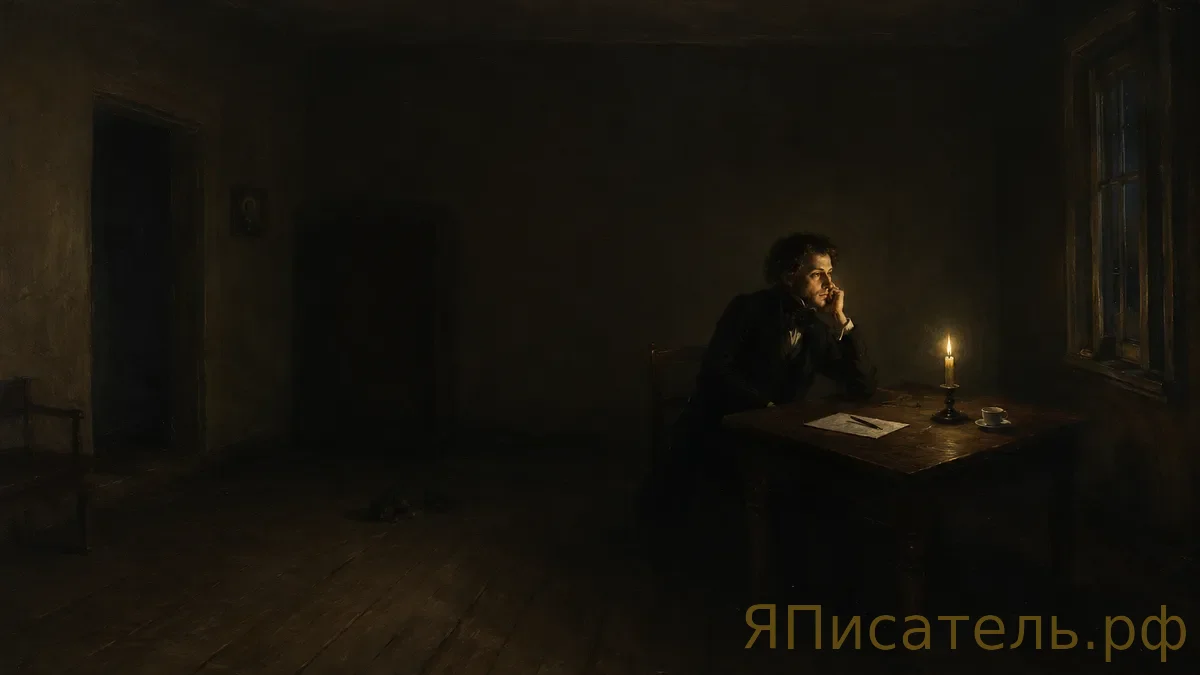
Minimalism and Restraint

Explore how Russian writers achieve maximum effect through minimal means—spare description, restrained emotion, and elimination of unnecessary detail. Minimalism requires precision and trust in reader interpretation.

Minimalism in Russian prose represents sophisticated restraint: writers eliminate non-essential detail, avoid over-explanation, and trust readers to interpret meaningful gaps. A spare sentence carries more weight than elaboration; silence between characters speaks louder than dialogue. Russian minimalist technique removes authorial editorializing, trusts readers to understand implications without guidance, and uses blank space and what's unsaid as narrative tools. This approach requires extreme precision: every remaining word must carry weight, every image must resonate, every dialogue exchange must advance understanding. Turgenev exemplified this technique, employing sparse prose where every detail mattered. Minimalism creates efficiency: readers move quickly through narrative while absorbing emotional and thematic complexity. The absence of explanation forces readers to construct meaning, engaging them as active participants. What characters don't say becomes significant; what narrators don't explain requires reader interpretation. This technique demands trust in readers and risk-taking by writers: readers might miss intended meanings, might interpret differently than intended, and might struggle without explicit guidance. However, interpretive struggle often creates deeper engagement and more memorable reading experiences. Minimalism also permits readers to fill gaps with their own experience and imagination: less specific description allows broader identification; sparse dialogue permits multiple interpretations; restrained narration permits diverse readings.

Tip May 9, 02:02 PM

Revise Dialogue for Authenticity and Efficiency

Dialogue should sound natural while remaining economical. Revise dialogue to remove filler, strengthen characterization, and ensure each exchange advances plot or reveals character.

Dialogue in first drafts often includes excessive pleasantries, unnecessary explanations, and repeated information. Revision can tighten dialogue dramatically while improving its effectiveness. Real speech includes hesitations, interruptions, and incomplete thoughts, but transcribing speech directly produces boring dialogue. Good dialogue mimics natural speech while remaining purposeful. Remove filler words and expressions that don't strengthen characterization. If both characters say "um" and "like," maybe only one does—this creates distinction. Remove exchanges where characters repeat information the reader already knows purely for other characters to learn it. Each line should reveal something about character, advance plot, create tension, or accomplish multiple purposes simultaneously. Dialogue reveals character through what they choose to discuss, what they avoid, their vocabulary, speech patterns, and reactions to others. A character who speaks in brief sentences under stress but elaborates extensively when comfortable reveals character through pacing changes. A character who jokes to avoid emotional topics reveals avoidance through deflection. Consider subtext—what's unsaid beneath the words. Two characters can discuss weather while genuinely discussing relationship tension. The dialogue about weather is literal; the actual conversation is about intimacy and distance. This layering creates depth. Read dialogue aloud during revision. Your ear catches rhythmic problems, repetition, and unnatural phrasing that silent reading misses. If dialogue is hard to speak, readers will feel that difficulty, creating subtle awkwardness. Test whether removing a line of dialogue creates problems—if not, it probably wasn't necessary. Strong dialogue serves multiple purposes and creates efficiency.

Nothing to read? Create your own book and read it! Like I do.

Create a book
1x

"Writing is thinking. To write well is to think clearly." — Isaac Asimov