Minimalism and Restraint
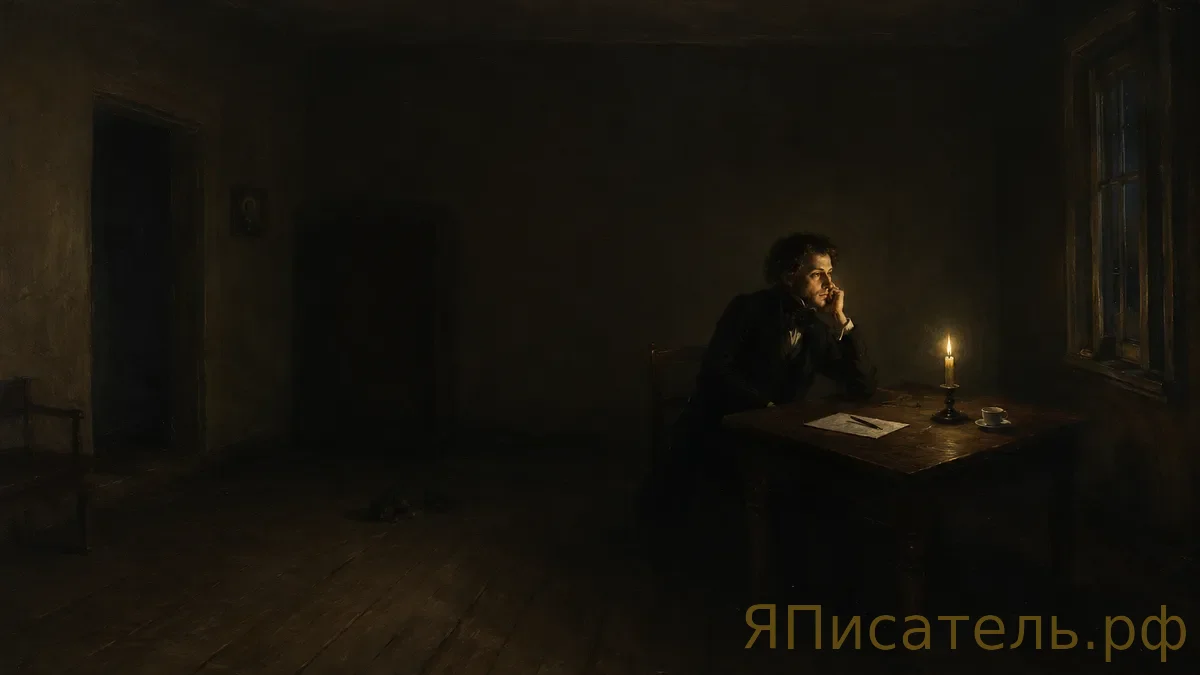
Explore how Russian writers achieve maximum effect through minimal means—spare description, restrained emotion, and elimination of unnecessary detail. Minimalism requires precision and trust in reader interpretation.
Minimalism in Russian prose represents sophisticated restraint: writers eliminate non-essential detail, avoid over-explanation, and trust readers to interpret meaningful gaps. A spare sentence carries more weight than elaboration; silence between characters speaks louder than dialogue. Russian minimalist technique removes authorial editorializing, trusts readers to understand implications without guidance, and uses blank space and what's unsaid as narrative tools. This approach requires extreme precision: every remaining word must carry weight, every image must resonate, every dialogue exchange must advance understanding. Turgenev exemplified this technique, employing sparse prose where every detail mattered. Minimalism creates efficiency: readers move quickly through narrative while absorbing emotional and thematic complexity. The absence of explanation forces readers to construct meaning, engaging them as active participants. What characters don't say becomes significant; what narrators don't explain requires reader interpretation. This technique demands trust in readers and risk-taking by writers: readers might miss intended meanings, might interpret differently than intended, and might struggle without explicit guidance. However, interpretive struggle often creates deeper engagement and more memorable reading experiences. Minimalism also permits readers to fill gaps with their own experience and imagination: less specific description allows broader identification; sparse dialogue permits multiple interpretations; restrained narration permits diverse readings.
Loading comments...