Content Feed

Discover interesting content about books and writing

Tip May 23, 03:46 PM

Secondary Characters and Relationships
Secondary Characters and Relationships

Learn how Russian writers develop supporting characters as full human beings rather than plot functions. Secondary characters enrich narrative, provide perspective, and embody alternative thematic positions.

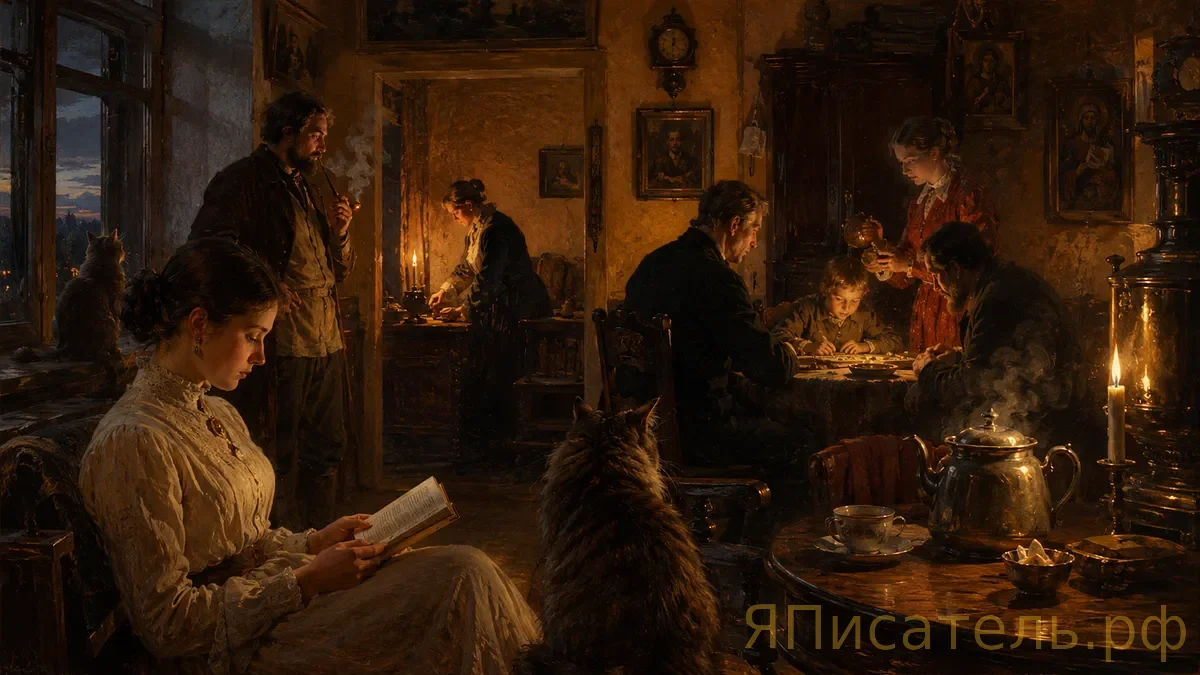
Secondary characters in Russian literature function as much more than supporting players; they embody alternative philosophies, represent different life choices, and provide crucial perspective on protagonists. Russian writers gave secondary characters their own complexities, contradictions, and moral ambiguity. A mentor figure in Russian prose rarely dispenses wisdom without cost; benefactors harbor selfish motives; villains possess understandable motivations and moments of humanity. Effective secondary character development involves showing relationships dynamically: how characters interact reveals both participants. A protagonist's treatment of secondary characters indicates moral standing; a character capable of dismissing servants or subordinates as mere obstacles reveals internal emptiness despite other virtues. Russian prose often employed secondary characters as thematic counterpoints: the spiritual believer contrasted with the rationalist, the idealist with the pragmatist, the passionate with the controlled. These relationships explore thematic questions through interpersonal dynamics. Secondary characters also provide emotional anchors for readers: they offer perspectives outside protagonist consciousness, create moments of tenderness or humor that balance heavier material, and serve as witnesses to protagonist transformation. Developing secondary characters requires the same attention to motive, psychology, and complexity given to protagonistsβ€”they exist as complete humans rather than functions within someone else's story.

Tip May 23, 03:16 PM

Description and Sensory Detail

Description and Sensory Detail

Explore how Russian writers use precise sensory description to create vivid, memorable scenes. Effective description serves character development and thematic purposes rather than mere decoration.

Description in Russian prose serves narrative purpose rather than ornamental function. A character's apartment reveals personality, values, and social position; clothing describes class and psychological state; physical appearance conveys personality traits and emotional condition. Russian writers understood that specific, precise sensory detail carries more weight than general statements: rather than stating a room was modest, they described worn furniture, faded wallpaper, the smell of old wood and dust. Sensory detail engages multiple senses: the texture of old silk, the smell of tobacco smoke, the taste of bitter tea, the sound of floorboards creaking, the sight of candlelight on a face. Each sense contributes to immersion and allows readers to experience scenes viscerally rather than intellectually. Description must be selective; overwhelming readers with detail obscures meaning and slows narrative. Russian prose masters chose details deliberately, ensuring each description carried weight and relevance. A character notices what matters to their psychology: an anxious person notices exits and threats, a romantic notices beauty and possibility, a practical person notices utility and function. Through selective description filtered through character perception, writers reveal psychology while constructing vivid scenes. Description also operates rhythmically: sustained passages of description create pause and emphasis, while sparse description in rapid scenes maintains momentum.

1x

"A word after a word after a word is power." β€” Margaret Atwood