Content Feed

Discover interesting content about books and writing

Tip May 23, 03:16 PM

Description and Sensory Detail

Description and Sensory Detail

Explore how Russian writers use precise sensory description to create vivid, memorable scenes. Effective description serves character development and thematic purposes rather than mere decoration.

Description in Russian prose serves narrative purpose rather than ornamental function. A character's apartment reveals personality, values, and social position; clothing describes class and psychological state; physical appearance conveys personality traits and emotional condition. Russian writers understood that specific, precise sensory detail carries more weight than general statements: rather than stating a room was modest, they described worn furniture, faded wallpaper, the smell of old wood and dust. Sensory detail engages multiple senses: the texture of old silk, the smell of tobacco smoke, the taste of bitter tea, the sound of floorboards creaking, the sight of candlelight on a face. Each sense contributes to immersion and allows readers to experience scenes viscerally rather than intellectually. Description must be selective; overwhelming readers with detail obscures meaning and slows narrative. Russian prose masters chose details deliberately, ensuring each description carried weight and relevance. A character notices what matters to their psychology: an anxious person notices exits and threats, a romantic notices beauty and possibility, a practical person notices utility and function. Through selective description filtered through character perception, writers reveal psychology while constructing vivid scenes. Description also operates rhythmically: sustained passages of description create pause and emphasis, while sparse description in rapid scenes maintains momentum.
Tip May 23, 12:46 PM

Atmospheric Immersion

Atmospheric Immersion

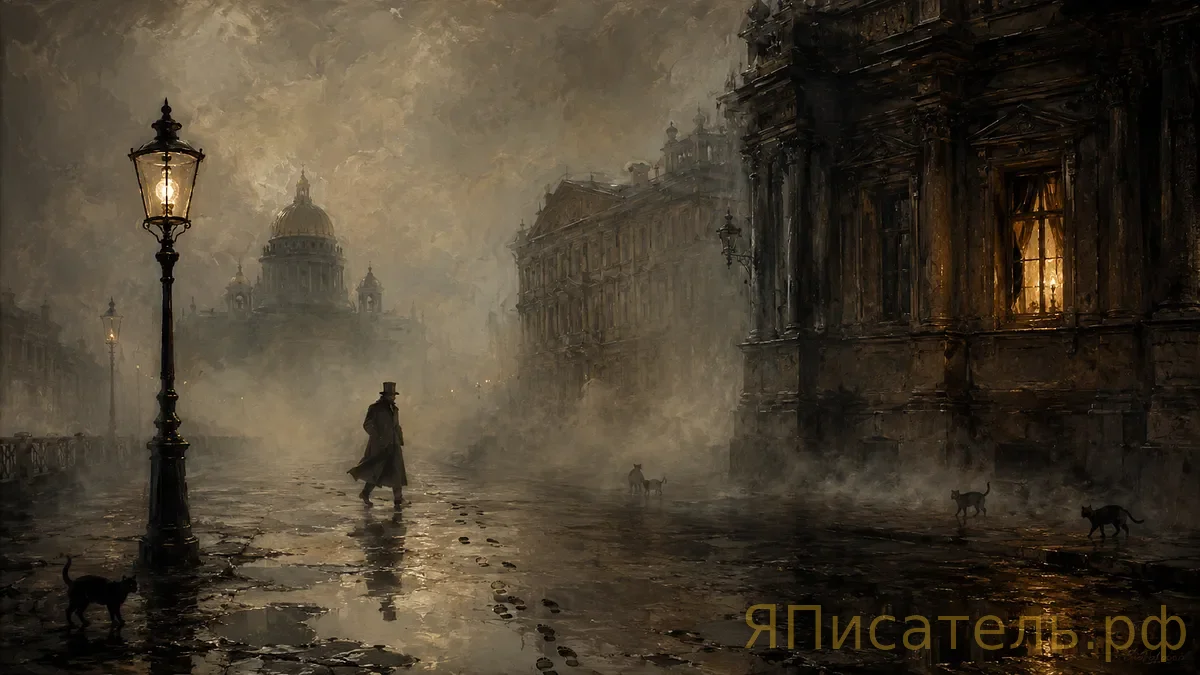
Learn to construct atmosphere in Russian prose through sensory detail, weather, setting, and emotional tone that permeates scenes. Atmosphere becomes a character itself, influencing actions and revealing psychological states.

Russian writers understood that atmosphere—the emotional and sensory environment of a scene—communicates as much as plot or dialogue. Atmosphere emerges from accumulated detail: weather, light, temperature, smell, texture, and emotional resonance of place. St. Petersburg in Russian literature becomes not merely a city but a character—oppressive, beautiful, claustrophobic, and corrupting. Effective atmosphere permeates scenes without announcement; readers absorb mood through sensory experiences rather than authorial statement. The gray Russian autumn carries different weight than summer light; fog suggests confusion and moral ambiguity; stark winter creates isolation and spiritual desolation. Dostoevsky and Turgenev constructed atmospheres that mirrored character psychology: as protagonists descended into despair, landscapes became darker, more threatening, more claustrophobic. Weather becomes metaphor without being explicitly symbolic—rain intensifies emotional moments, wind carries significance, seasons mark transformations. Atmosphere also serves narrative function: it constrains possibilities, shapes character behavior, and creates believable motivation for actions that might otherwise seem unmotivated. Constructing atmosphere requires attention to what characters notice: an anxious character notices threats, a depressed character notices decay, a determined character notices obstacles.

Nothing to read? Create your own book and read it! Like I do.

Create a book
1x

"Start telling the stories that only you can tell." — Neil Gaiman