Content Feed

Discover interesting content about books and writing

Tip May 23, 07:16 PM

Information Withholding and Mystery
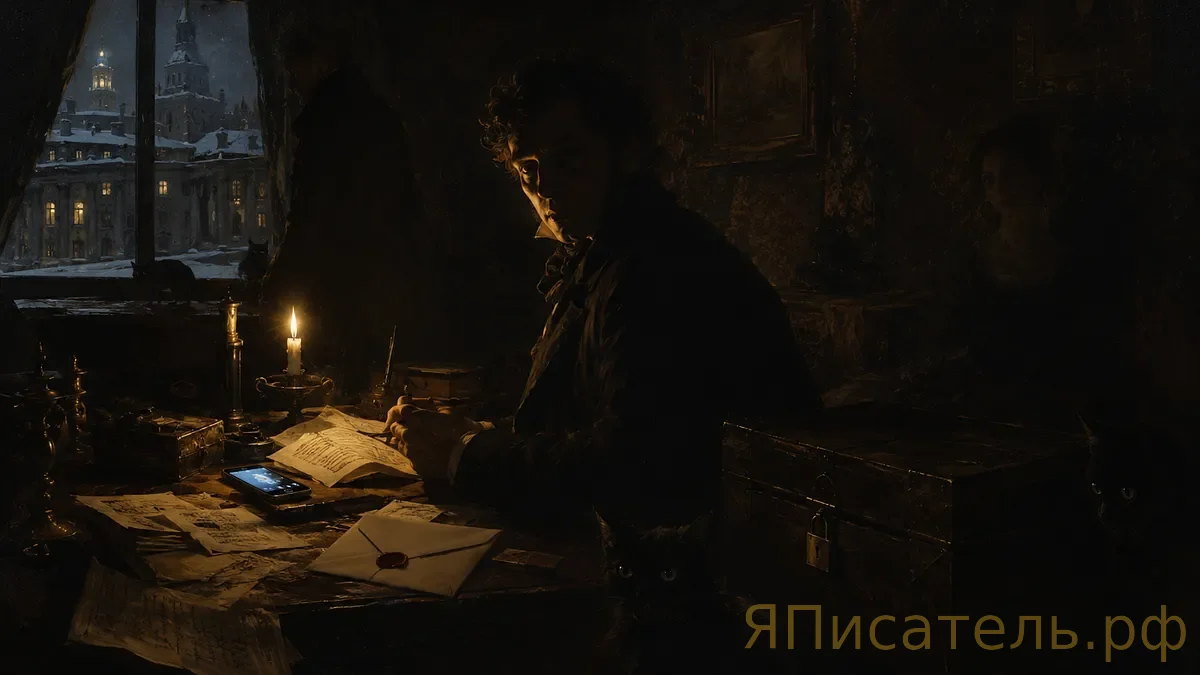
Information Withholding and Mystery

Master strategic information withholding that creates mystery and sustains reader engagement. Effective mystery arises from character psychology rather than contrived plot mechanisms.

Russian writers employed strategic information withholding to create compelling mystery: readers possess information characters don't, characters conceal motivations from each other and from readers, and narrative structures reveal information at calculated moments that reshape understanding. Effective mystery emerges from character psychology: what characters don't know about themselves, what they're unwilling to acknowledge, what they actively deceive themselves about creates genuine mystery. Crime and Punishment's power partly emerges from reader understanding Raskolnikov committed the crime while watching him deceive himself about his nature and motivations. Strategic withholding builds tension: readers sense something's amiss without knowing what, experience growing dread as implications accumulate, and reach moments of revelation that transform prior understanding. Russian prose often employed unreliable narrators who unknowingly misrepresent events: readers intuit discrepancies between what narrators report and what actually occurred. Another technique withheld crucial information until precisely the right moment: a detail mentioned casually in chapter two becomes catastrophically significant in chapter thirty, and rereading reveals how information was present all along. Mystery also arises from character ignorance: protagonist pursues answers readers already possess, creating dramatic irony and tension. The writer controls what readers know, when they know it, and how information shapes interpretation. Effective mystery sustains engagement because readers want to understand, predict patterns, and ultimately make sense of seemingly chaotic events.
Tip May 23, 04:16 PM

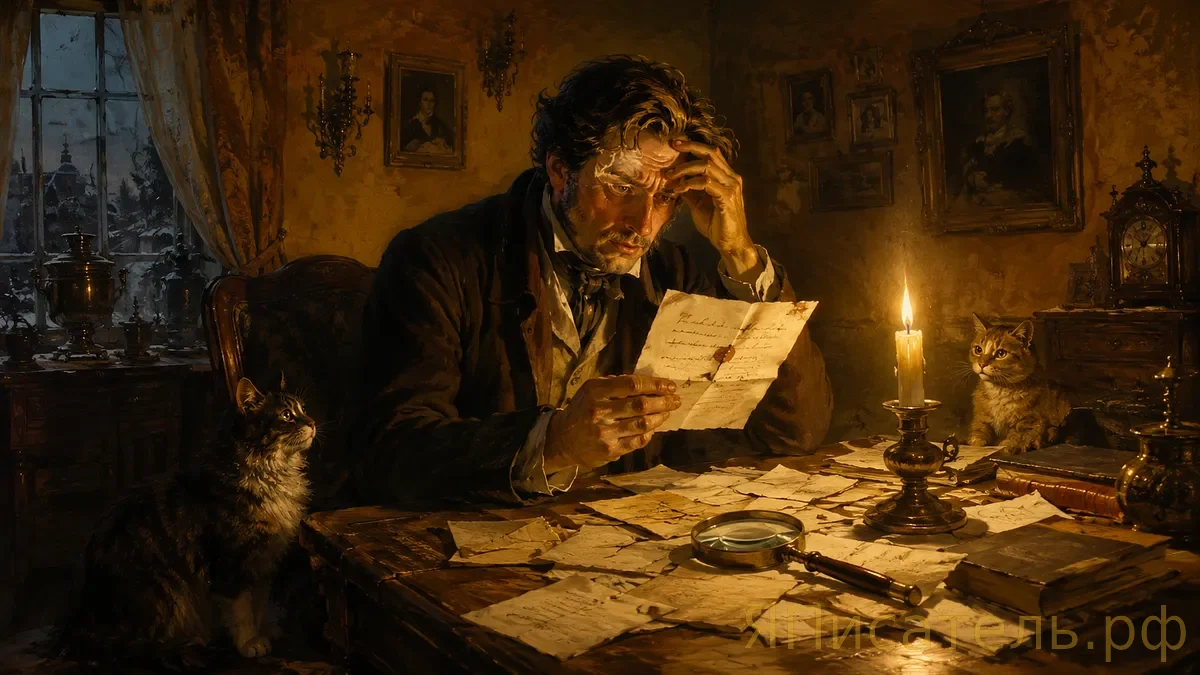
Exposition and Information Control

Exposition and Information Control

Master how Russian writers reveal necessary information gradually through dialogue, action, and narrative flow. Effective exposition remains invisible, woven naturally into scenes rather than fronted directly.

Exposition in Russian prose presents a constant challenge: readers need information about character history, social context, and backstory, yet direct information delivery risks slowing narrative and breaking immersion. Russian writers developed sophisticated techniques for embedding exposition within natural narrative: characters discuss past events that emotionally matter to them, historical context emerges through dialogue that serves multiple narrative purposes, backstory becomes relevant through present conflict. Effective exposition serves thematic or emotional purposes beyond mere information transfer: a character reveals their past because they're justifying present choices, explaining history because they're seeking understanding or forgiveness, recounting events because the retelling itself changes their current relationship. The timing of exposition matters enormously; revealing information too early leaves readers confused, too late creates frustration or confusion, at exactly the right moment deepens understanding. Russian prose often withheld crucial information strategically, building mystery and creating moments of revelation that reshape reader understanding. A technique common in Russian literature involves revealing information through seemingly casual remarks that accumulate weight through repetition and context. Another approach embeds exposition within action: characters retrieve documents revealing history, discover letters containing backstory, or stumble upon physical evidence that explains the past. Readers remain engaged when exposition serves present narrative rather than interrupting story to provide background.

Nothing to read? Create your own book and read it! Like I do.

Create a book
1x

"Start telling the stories that only you can tell." β€” Neil Gaiman