Content Feed

Discover interesting content about books and writing

Tip May 23, 04:16 PM

Exposition and Information Control
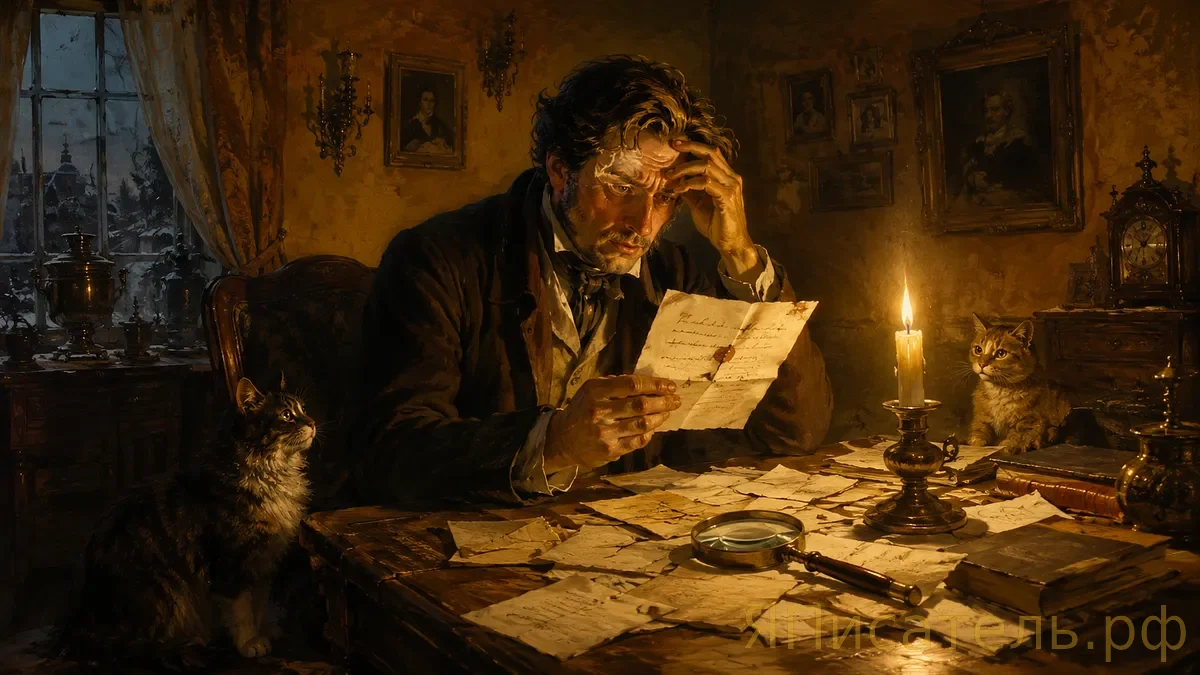
Exposition and Information Control

Master how Russian writers reveal necessary information gradually through dialogue, action, and narrative flow. Effective exposition remains invisible, woven naturally into scenes rather than fronted directly.

Exposition in Russian prose presents a constant challenge: readers need information about character history, social context, and backstory, yet direct information delivery risks slowing narrative and breaking immersion. Russian writers developed sophisticated techniques for embedding exposition within natural narrative: characters discuss past events that emotionally matter to them, historical context emerges through dialogue that serves multiple narrative purposes, backstory becomes relevant through present conflict. Effective exposition serves thematic or emotional purposes beyond mere information transfer: a character reveals their past because they're justifying present choices, explaining history because they're seeking understanding or forgiveness, recounting events because the retelling itself changes their current relationship. The timing of exposition matters enormously; revealing information too early leaves readers confused, too late creates frustration or confusion, at exactly the right moment deepens understanding. Russian prose often withheld crucial information strategically, building mystery and creating moments of revelation that reshape reader understanding. A technique common in Russian literature involves revealing information through seemingly casual remarks that accumulate weight through repetition and context. Another approach embeds exposition within action: characters retrieve documents revealing history, discover letters containing backstory, or stumble upon physical evidence that explains the past. Readers remain engaged when exposition serves present narrative rather than interrupting story to provide background.

Tip May 9, 12:02 PM

Balance Exposition With Action and Dialogue

Exposition—necessary information about the world and characters—must be distributed throughout narrative rather than dumped on readers at the beginning. Integration exposition seamlessly through dialogue, action, and character perspective.

Beginning writers often front-load exposition, providing pages of world-building information, character background, or setting description before the actual story begins. This violates the fundamental principle that stories must move forward from the first sentence. Necessary exposition must be distributed throughout the narrative, revealed as needed, integrated through dialogue and action rather than standing apart as explanation. When a character learns something, the reader learns it simultaneously, maintaining narrative momentum. Rather than explaining that a character has a troubled childhood, show how that childhood manifests in their reactions to current situations. Rather than describing the rules of a fictional world, reveal them through character action and dialogue as the world functions. This requires more sophistication than dumping exposition—you must trust that readers will grasp information through context and gradually accumulate understanding. Dialogue can efficiently convey exposition if it serves dual purposes: advancing plot while revealing information. Two characters discussing their history can feel natural if they're motivated by current circumstances to discuss it, rather than explaining for the reader's benefit. A character moving through a setting and noticing details can reveal world-building while showing characterization—what they notice reveals who they are. Avoid the common trap of one character explaining something the other character already knows purely to inform readers. Readers perceive this as artificial and lose engagement. If exposition must be delivered, integrate it into scenes where characters naturally pursue other goals. The balance between forward momentum and necessary information determines pacing and readability. Too much exposition stalls momentum; insufficient exposition confuses readers.

Nothing to read? Create your own book and read it! Like I do.

Create a book
1x

"You write in order to change the world." — James Baldwin