Content Feed

Discover interesting content about books and writing

Article Feb 7, 01:01 PM

Charles Dickens Killed Children for Money — And We Loved Him for It

Two hundred and fourteen years ago, a boy was born in Portsmouth who would grow up to become the most popular writer in the English language — and also its most ruthless emotional manipulator. Charles Dickens didn't just write novels. He engineered crying machines, page by page, death by death, and sold them at a penny a chapter.

Before you clutch your pearls, consider this: Dickens killed Little Nell, Paul Dombey, and Jo the crossing sweeper not because the plot demanded it, but because dead children sold newspapers. When The Old Curiosity Shop was being serialized in 1841, crowds gathered at New York docks shouting to arriving ships: "Is Little Nell dead?" That's not literature. That's a Victorian Marvel franchise. And the man behind it was a five-foot-nine dynamo who walked twenty miles a day, fathered ten children, and essentially invented Christmas as a commercial holiday.

But let's rewind. Before the fame, before the fur coats and the sold-out reading tours, there was a twelve-year-old boy pasting labels on bottles of boot blacking in a rat-infested warehouse near the Thames. His father, John Dickens — a man with champagne taste and a lemonade budget — had been thrown into Marshalsea debtors' prison. Young Charles was pulled out of school and sent to work. The humiliation of those few months burned so deep into his psyche that he never spoke of it publicly. He didn't need to. He wrote Oliver Twist instead.

Oliver Twist is the book that made Dickens dangerous. Published in 1837, when he was just twenty-five, it did something almost nobody in English literature had done before: it made readers care about poor people. Not as quaint peasants or comic relief, but as actual human beings with beating hearts. Fagin, Bill Sikes, Nancy — these weren't characters from a polite drawing-room novel. They stank. They bled. They lived in the same London that Dickens' readers passed through every day while conveniently not seeing. He grabbed Victorian England by its starched collar and shoved its face into its own sewage. And somehow, impossibly, he made it entertaining.

Then came David Copperfield in 1850, the book Dickens himself called his "favourite child." It's the most autobiographical of his novels, and you can feel it. The Murdstones, those cold-blooded stepparents, are drawn with the kind of precision that only comes from personal hatred. Mr. Micawber, the lovable debtor always waiting for something to "turn up," is a barely disguised portrait of Dickens' own father. The novel is sprawling, messy, overstuffed with coincidences and melodrama — and completely alive. Reading it feels like being swept down a river. You don't control where you're going, but you never want to get out.

Fifteen years later, Great Expectations arrived like a punch to the gut. It's leaner, darker, and angrier than anything Dickens had written before. Pip, the blacksmith's apprentice who becomes a snob when he comes into money, is Dickens holding up a mirror to his own audience — and to himself. Miss Havisham, rotting in her wedding dress among the ruins of her banquet, is one of the most terrifying images in all of English fiction. She's not a ghost. She's something worse: a person who decided to stop living while still breathing. Dickens wrote her in his fifties, when his own marriage had collapsed, when he'd fallen for an eighteen-year-old actress named Ellen Ternan, when he knew something about the gap between the life you imagined and the life you got.

Here's what people forget about Dickens: he wasn't a sitting-at-his-desk-in-a-smoking-jacket kind of writer. He was a performer, a showman, a one-man media empire. He edited magazines, campaigned for social reform, gave public readings so intense that doctors begged him to stop because they were literally killing him. During his final reading tour, he would act out the murder of Nancy from Oliver Twist with such ferocity that women in the audience fainted. His pulse, normally 72, would hit 124 afterward. He was addicted to it. The readings, the applause, the gasps — they were his drug. He died of a stroke in 1870, at fifty-eight, and the readings almost certainly shortened his life. He performed himself to death.

His influence on literature is so enormous that it's become invisible, like oxygen. The serialized novel? Dickens perfected it. The social novel that exposes injustice? Dickens weaponized it. The idea that fiction should make you feel something, not just admire the prose? Dickens beat that into the culture with a sledgehammer. Every time a TV show ends an episode on a cliffhanger, every time a novelist writes a child character designed to break your heart, every time a story makes you angry about poverty — that's Dickens' ghost, still working the room.

But here's the uncomfortable truth that Dickens scholars prefer to mumble into their sherry: the man was not always good. He was often cruel. When his wife Catherine — who had borne him ten children and endured his volcanic moods for twenty-two years — became inconvenient, he didn't just leave her. He publicly humiliated her, planted stories in newspapers suggesting she was an unfit mother, and essentially erased her from his life. He was a champion of the poor and a tyrant in his own home. He could weep for fictional orphans and show no mercy to the real woman who loved him.

That contradiction is precisely what makes Dickens matter 214 years after his birth. He wasn't a saint. He was a genius with a monstrous ego and a broken heart and an almost supernatural ability to make ink on paper feel like a living, breathing world. His characters — Scrooge, Pip, Fagin, Miss Havisham, Uriah Heep, Mr. Micawber — aren't literary artifacts. They're people you've met. They've escaped the books and colonized the language itself.

So happy birthday, Charles. You magnificent, manipulative, hypocritical, irreplaceable bastard. Two centuries on, we're still reading you. We're still crying where you told us to cry. And we still can't look away.

Article Feb 7, 02:06 AM

Charles Dickens Worked Children to Death — Then Got Rich Writing About It

Charles Dickens is the most beloved hypocrite in literary history. The man who made Victorian England weep over the fate of orphans and child laborers was himself a ruthless workaholic who drove his children into careers they hated, dumped his wife after twenty-two years of marriage, and possibly worked himself into an early grave at fifty-eight. Born on February 7, 1812, in a cramped house in Portsmouth, Dickens transformed his childhood trauma into a literary empire — and today, 214 years later, we're still buying what he sold.

But here's the thing: the contradictions are precisely what made Dickens great. A writer without wounds is a writer without words, and Dickens had wounds deep enough to fill thirty novels.

Let's start with the origin story, because it's straight out of one of his own books. When Charles was twelve, his father John Dickens — a man who spent money like water and understood debt like a goldfish understands quantum physics — was thrown into Marshalsea debtors' prison. Little Charles was pulled out of school and sent to work at Warren's Blacking Factory, pasting labels on bottles of shoe polish. Ten hours a day. Six days a week. A middle-class kid suddenly rubbing shoulders with street urchins, rats, and despair. The humiliation scarred him so deeply that he never spoke of it publicly during his lifetime. But it leaked out everywhere in his fiction. Every time you read about Oliver Twist asking for more gruel, or David Copperfield laboring at Murdstone and Grinby's warehouse — that's Dickens replaying his own nightmare, trying to make sense of it through ink and paper.

His father eventually got out of prison (an inheritance bailed the family out, which is the most Dickensian plot twist possible), and Charles went back to school. But the factory never left him. It turned a sensitive boy into a man obsessed with social justice — and also obsessed with money, fame, and control. Both things can be true. Both things were.

Dickens didn't just write novels. He detonated them. "The Pickwick Papers" in 1836 made him famous overnight at the age of twenty-four. He published in serial form — monthly installments that had all of England gripped like a Netflix binge, except instead of clicking "next episode," people queued at bookstalls. When readers in New York couldn't wait for the ship carrying the latest installment of "The Old Curiosity Shop," they reportedly shouted from the docks: "Is Little Nell dead?" Whether that story is apocryphal or not, it tells you something real about Dickens's grip on the public imagination.

Then came the heavy hitters. "Oliver Twist" (1838) exposed workhouse cruelty with such precision that it helped change actual laws. "David Copperfield" (1850) — his most autobiographical novel — gave us the template for the modern coming-of-age story. And "Great Expectations" (1861) delivered something even more sophisticated: a novel about how the desire to be a gentleman can rot your soul from the inside. Pip's journey from the marshes to London high society is one of the great cautionary tales about class, ambition, and the lies we tell ourselves. Dickens wrote it in his late forties, and you can feel the wisdom of a man who'd achieved everything he ever wanted and discovered it wasn't enough.

What made Dickens revolutionary wasn't just his plots or his social conscience. It was his characters. Nobody before or since has created such a gallery of grotesques, eccentrics, and unforgettable weirdos. Uriah Heep with his clammy handshake and oozing humility. Miss Havisham rotting in her wedding dress beside a cake covered in cobwebs. Mr. Micawber eternally waiting for something to turn up. Ebenezer Scrooge — a character so iconic that his name became an actual word in the English language. Dickens didn't create characters; he created species.

And here's where the hypocrisy gets juicy. While Dickens was championing the poor and the downtrodden in print, his private life was a mess worthy of a tabloid. In 1858, after twenty-two years of marriage and ten children, he left his wife Catherine for a young actress named Ellen Ternan. He was forty-five. She was eighteen. He didn't just leave Catherine — he publicly humiliated her, publishing a statement in his own magazine essentially blaming her for the separation. He tried to have her committed to an asylum. He cut off friends who sided with her. The champion of compassion could be spectacularly cruel when his own desires were at stake.

His relationship with his children was hardly better. He named them extravagantly — one son was called Alfred D'Orsay Tennyson Dickens, which is less a name than a literary monument — but he was a demanding, often distant father who shipped several sons off to the colonies when they didn't meet his standards. He once described his son Walter as having "a strange lassitude and want of purpose." The kid was fifteen.

But none of this diminishes the work. If anything, it enriches it. Dickens understood human cruelty because he was capable of it himself. He understood selfishness because he practiced it. He understood the gap between who we pretend to be and who we actually are — and that gap is the engine of every great Dickens novel.

His influence on literature is almost impossible to overstate. He essentially invented the Christmas story as we know it — "A Christmas Carol" single-handedly transformed Christmas from a minor religious holiday into the commercial and sentimental juggernaut it is today. He pioneered serial fiction, proving that novels could be popular entertainment, not just elite art. He showed that social criticism could be embedded in gripping storytelling rather than dry polemic. Every writer who's ever tried to make you laugh and cry on the same page is operating in Dickens's shadow.

He also literally killed himself for his art. In his final years, Dickens embarked on grueling public reading tours — performing dramatic readings of his works to packed theaters across Britain and America. His doctors begged him to stop. He refused. On June 8, 1870, he collapsed at dinner after a day of writing "The Mystery of Edwin Drood," a novel he would never finish. He died the next day at fifty-eight. The half-finished manuscript sits in literary history like a sentence that stops mid-

Two hundred and fourteen years after his birth, Dickens remains stubbornly, irritatingly alive. His novels are still adapted into films, TV series, and musicals. His characters still populate our cultural vocabulary. And his central question — can a society that allows children to suffer ever call itself civilized? — still doesn't have a good answer. Dickens was a flawed man who wrote perfect sentences about imperfect people. He was a monster who taught us empathy. And if that contradiction bothers you, well — he'd probably say you haven't been paying attention to your own life.

True or False? Feb 7, 07:15 AM

Dickens and His Secret Bookshelf Door

Charles Dickens had a hidden door in his study disguised as a bookshelf with fake books bearing humorous titles he invented, like 'Cats' Lives' in nine volumes.

Is this true or false?

Classics Now Feb 7, 07:14 AM

Pip's Graveyard Nightmare: The Convict Who Slid Into His DMs (and His Life)

Classics in Modern Setting

A modern reimagining of «Great Expectations» by Charles Dickens

📱 WHATSAPP CHAT LOG 📱

━━━━━━━━━━━━━━━━━━━━━━━━
🪦 CHRISTMAS EVE - THE MARSHES 🪦
━━━━━━━━━━━━━━━━━━━━━━━━

**Pip** created group "my traumatic childhood 🎄"
**Pip** added **Joe Gargery**, **Mrs. Joe**

**Pip** 🟢 Online
[17:43] Pip: just visiting mum and dad's graves again
[17:43] Pip: it's freezing out here ngl
[17:44] Pip: the marshes are giving horror movie vibes rn
[17:44] Pip: like if someone jumped out at me i would literally d

**Unknown Number** 🟢 Online
[17:44] Unknown Number: HOLD STILL YOU LITTLE DEVIL

[17:44] Pip: AAAAAAAAAAAA
[17:44] Pip: WHO ARE YOU
[17:44] Pip: HOW DID YOU GET THIS NUMBER

[17:45] Unknown Number: DONT SCREAM OR ILL CUT YOUR THROAT

[17:45] Pip: sir this is a graveyard
[17:45] Pip: im literally 7

[17:45] Unknown Number: WHERE DO U LIVE
[17:45] Unknown Number: and whats ur name

[17:46] Pip: Pip sir
[17:46] Pip: I live with my sister and her husband Joe
[17:46] Pip: please dont kill me its almost christmas 🎄😭

[17:46] Unknown Number: ok pip heres the deal
[17:46] Unknown Number: ur gonna bring me a FILE and FOOD
[17:46] Unknown Number: tomorrow morning. early.
[17:47] Unknown Number: or else my friend who is hiding nearby
[17:47] Unknown Number: will TEAR OUT YOUR HEART AND LIVER

[17:47] Pip: my heart AND my liver???
[17:47] Pip: sir thats two organs

[17:47] Unknown Number: DID I STUTTER

[17:47] Pip: no sir absolutely not
[17:47] Pip: file and food got it
[17:47] Pip: 👍👍👍
[17:48] Pip: would you prefer sourdough or regular bread

[17:48] Unknown Number: I DONT CARE JUST BRING IT
[17:48] Unknown Number: and if u tell anyone
[17:48] Unknown Number: 🔪❤️🫁

[17:48] Pip: understood sir have a lovely evening

**Pip** saved contact as "Scary Marsh Man 🔪"

━━━━━━━━━━━━━━━━━━━━━━━━
🏠 PIP & JOE'S PRIVATE CHAT 🏠
━━━━━━━━━━━━━━━━━━━━━━━━

[18:30] Pip: Joe
[18:30] Pip: hypothetically
[18:30] Pip: if someone needed to steal food from Mrs. Joe's pantry
[18:30] Pip: how would one do that without getting the Tickler

[18:32] Joe: pip mate
[18:32] Joe: we dont steal from mrs joe
[18:32] Joe: ever
[18:32] Joe: the tickler is NOT hypothetical 😰

[18:33] Pip: yeah but hypothetically

[18:33] Joe: hypothetically id say your prayers first
[18:33] Joe: shes made a pork pie for christmas dinner
[18:33] Joe: she counts them pip
[18:33] Joe: SHE COUNTS THEM

[18:34] Pip: 😬

[18:34] Joe: why are you asking

[18:34] Pip: no reason
[18:34] Pip: completely unrelated
[18:34] Pip: anyway where does she keep the files

[18:35] Joe: the WHAT

[18:35] Pip: for filing
[18:35] Pip: wood filing
[18:35] Pip: a carpentry question
[18:35] Pip: im getting into woodwork

[18:36] Joe: pip ur 7

[18:36] Pip: never too young to learn a trade Joe

━━━━━━━━━━━━━━━━━━━━━━━━
🌅 CHRISTMAS MORNING - 5AM 🌅
━━━━━━━━━━━━━━━━━━━━━━━━

[05:02] Pip → Scary Marsh Man 🔪: ok im coming
[05:02] Pip: i have the pork pie, bread, brandy, and the file
[05:02] Pip: i am also shaking like a leaf
[05:03] Pip: my guilt level is at like 47000%

[05:15] Scary Marsh Man 🔪: 🍖🍖🍖
[05:15] Scary Marsh Man 🔪: *[Voice Message - 0:03]* 🔊
(sounds of aggressive eating)

[05:16] Pip: sir are you ok
[05:16] Pip: thats a lot of pork pie very fast

[05:16] Scary Marsh Man 🔪: *[Voice Message - 0:08]* 🔊
(more eating sounds, occasional grunting, a sob)

[05:17] Pip: are you... crying?

[05:17] Scary Marsh Man 🔪: NO
[05:17] Scary Marsh Man 🔪: its the cold
[05:17] Scary Marsh Man 🔪: my eyes are watering
[05:17] Scary Marsh Man 🔪: because of the wind

[05:18] Pip: ok sir 🥺

[05:18] Scary Marsh Man 🔪: now get out of here
[05:18] Scary Marsh Man 🔪: and pip
[05:18] Scary Marsh Man 🔪: thanks

[05:19] Pip: 🥲

━━━━━━━━━━━━━━━━━━━━━━━━
⏩ YEARS LATER - PIP IS NOW A TEENAGER ⏩
━━━━━━━━━━━━━━━━━━━━━━━━

**Miss Havisham** created group "Satis House Playdates 🕯️🕸️"
**Miss Havisham** added **Pip**, **Estella**

[14:00] Miss Havisham: pip come to my house
[14:00] Miss Havisham: i need a boy to play with estella

[14:01] Pip: play what exactly

[14:01] Miss Havisham: cards
[14:01] Miss Havisham: and emotional manipulation
[14:01] Miss Havisham: mostly the second one

[14:02] Estella: ugh
[14:02] Estella: mother do i HAVE to
[14:02] Estella: he has coarse hands
[14:02] Estella: and thick boots

[14:03] Pip: i can literally see these messages estella

[14:03] Estella: i know 💅

[14:04] Miss Havisham: YES estella
[14:04] Miss Havisham: break his heart
[14:04] Miss Havisham: i mean
[14:04] Miss Havisham: play cards

[14:05] Pip: this seems like a healthy dynamic

[14:06] Estella: are you crying?

[14:06] Pip: NO
[14:06] Pip: its the dust in this house
[14:06] Pip: speaking of which ms havisham when was the last time you cleaned
[14:06] Pip: theres a wedding cake on the table and i think it predates me

[14:07] Miss Havisham: WE DONT TALK ABOUT THE CAKE

[14:07] Estella: 😂

[14:07] Pip: did she just...
[14:07] Pip: did estella just laugh at something i said
[14:07] Pip: ❤️❤️❤️

[14:08] Estella: dont read into it
[14:08] Estella: common boy

[14:08] Pip: im in love

[14:09] Joe → Pip: how was the playdate mate

[14:09] Pip: joe i need to become a gentleman
[14:09] Pip: immediately
[14:09] Pip: my hands are too coarse joe
[14:09] Pip: MY BOOTS ARE TOO THICK

[14:10] Joe: pip what happened in that house

[14:10] Pip: heartbreak joe
[14:10] Pip: sophisticated, upper-class heartbreak

━━━━━━━━━━━━━━━━━━━━━━━━
⏩ EVEN MORE YEARS LATER ⏩
━━━━━━━━━━━━━━━━━━━━━━━━

**Mr. Jaggers** 🟢 Online

[10:00] Mr. Jaggers → Pip: Good morning. I am a lawyer.
[10:00] Mr. Jaggers: I will get straight to the point.
[10:00] Mr. Jaggers: You have a secret benefactor.
[10:01] Mr. Jaggers: They wish to give you a large fortune.
[10:01] Mr. Jaggers: You are to move to London immediately.
[10:01] Mr. Jaggers: You will become a gentleman.
[10:01] Mr. Jaggers: You must never ask who the benefactor is.

[10:02] Pip: sorry WHAT
[10:02] Pip: is this a scam
[10:02] Pip: this feels like one of those "congratulations you've won" emails

[10:03] Mr. Jaggers: I assure you it is not.
[10:03] Mr. Jaggers: I am Mr. Jaggers of Little Britain.
[10:03] Mr. Jaggers: Google me.

[10:04] Pip: ok wow you ARE legit
[10:04] Pip: 4.8 stars on google reviews
[10:04] Pip: "terrifying but effective" lmao

[10:05] Mr. Jaggers: Do you accept the terms.

[10:05] Pip: a mysterious fortune??? becoming a gentleman???
[10:05] Pip: this is OBVIOUSLY miss havisham preparing me for estella
[10:05] Pip: its SO obvious
[10:06] Pip: she wants me to be worthy of estella
[10:06] Pip: the romantic gesture of the CENTURY

[10:06] Mr. Jaggers: I said nothing about Miss Havisham.

[10:06] Pip: wink wink 😉

[10:07] Mr. Jaggers: I am not winking.
[10:07] Mr. Jaggers: I have never winked in my life.

━━━━━━━━━━━━━━━━━━━━━━━━
🎩 LONDON LIFE - "GENTLEMAN PIP" 🎩
━━━━━━━━━━━━━━━━━━━━━━━━

**Pip** created group "London Lads 🎩🍷"
**Pip** added **Herbert Pocket**

[20:00] Pip: herbert my dear friend
[20:00] Pip: shall we dine at the club tonight

[20:01] Herbert: pip we're £500 in debt

[20:01] Pip: yes but shall we dine EXPENSIVELY

[20:01] Herbert: absolutely. obviously. naturally.

[20:02] Pip: this is why we're best friends

[20:03] Herbert: pip can i ask you something
[20:03] Herbert: do you ever feel bad about Joe

[20:04] Pip: who

[20:04] Herbert: JOE
[20:04] Herbert: your brother-in-law
[20:04] Herbert: the man who raised you
[20:04] Herbert: the kindest person on earth

[20:05] Pip: oh THAT joe
[20:05] Pip: yeah no
[20:05] Pip: hes a bit embarrassing tbh
[20:05] Pip: he eats with the wrong fork herbert

[20:06] Herbert: pip you ate with the wrong fork until i taught you three months ago

[20:06] Pip: thats different

[20:06] Herbert: how

[20:06] Pip: because im a gentleman now
[20:06] Pip: with great expectations
[20:07] Pip: i simply cannot be associated with
[20:07] Pip: *checks notes*
[20:07] Pip: the one person who actually loved me unconditionally

[20:08] Herbert: do you hear yourself

[20:08] Pip: la la la cant hear you over the sound of my great expectations 🎩✨

━━━━━━━━━━━━━━━━━━━━━━━━
⚡ THE BIG REVEAL - YEARS LATER ⚡
━━━━━━━━━━━━━━━━━━━━━━━━

[23:47] Unknown Number → Pip: pip
[23:47] Unknown Number: its me
[23:47] Unknown Number: from the marshes

[23:48] Pip: new phone who dis

[23:48] Unknown Number: THE CONVICT
[23:48] Unknown Number: THE GRAVEYARD
[23:48] Unknown Number: THE PORK PIE

[23:49] Pip: SCARY MARSH MAN???
[23:49] Pip: how are you even alive
[23:49] Pip: they sent you to AUSTRALIA

[23:49] Unknown Number: yeah i came back
[23:49] Unknown Number: for you pip
[23:50] Unknown Number: im your benefactor

[23:50] Pip: haha good one
[23:50] Pip: wait
[23:50] Pip: what

[23:50] Unknown Number: everything you have
[23:50] Unknown Number: the money
[23:50] Unknown Number: the london flat
[23:50] Unknown Number: the gentleman lifestyle
[23:51] Unknown Number: all from me
[23:51] Unknown Number: Abel Magwitch
[23:51] Unknown Number: ur convict from the marshes 🥰

[23:51] Pip: no
[23:51] Pip: No.
[23:51] Pip: NO.
[23:51] Pip: this cant be right
[23:52] Pip: it was miss havisham
[23:52] Pip: IT WAS SUPPOSED TO BE MISS HAVISHAM

[23:52] Unknown Number: who

[23:52] Pip: THE WOMAN WITH THE CAKE
[23:52] Pip: THE WEDDING DRESS
[23:52] Pip: THE PLAN TO MAKE ME WORTHY OF ESTELLA

[23:53] Unknown Number: i literally have no idea what ur talking about
[23:53] Unknown Number: i made money in australia
[23:53] Unknown Number: and i sent it all to you
[23:53] Unknown Number: because you were kind to me that christmas morning
[23:54] Unknown Number: you brought me food when i was starving
[23:54] Unknown Number: you were just a little kid
[23:54] Unknown Number: and you were kind

[23:54] Pip: i
[23:54] Pip: i cant breathe

[23:55] Unknown Number: i made you a gentleman pip 🥹
[23:55] Unknown Number: my gentleman

[23:55] Pip: oh god
[23:55] Pip: oh GOD
[23:55] Pip: everything ive believed for YEARS
[23:55] Pip: it was all wrong
[23:56] Pip: estella was never meant for me
[23:56] Pip: miss havisham didnt care about me at all
[23:56] Pip: and i
[23:56] Pip: i treated joe like garbage
[23:56] Pip: for NOTHING
[23:57] Pip: i was ashamed of the only person who was genuinely good
[23:57] Pip: because i thought being a gentleman meant being better than him
[23:57] Pip: but MY ENTIRE FORTUNE
[23:57] Pip: came from a CONVICT i helped as a CHILD

[23:58] Unknown Number: u alright mate

[23:58] Pip: NO ABEL IM NOT ALRIGHT
[23:58] Pip: im having an existential crisis at midnight
[23:58] Pip: my entire identity just collapsed
[23:59] Pip: wait
[23:59] Pip: if theyre looking for you
[23:59] Pip: and they find you in england
[23:59] Pip: they'll hang you

[23:59] Unknown Number: yeah probably
[23:59] Unknown Number: worth it to see you though 🥲

[00:00] Pip: 😭😭😭

━━━━━━━━━━━━━━━━━━━━━━━━
💔 THE AFTERMATH 💔
━━━━━━━━━━━━━━━━━━━━━━━━

[00:15] Pip → Herbert: herbert
[00:15] Pip: HERBERT

[00:16] Herbert: pip its midnight

[00:16] Pip: my benefactor isnt miss havisham

[00:17] Herbert: wait what
[00:17] Herbert: then who

[00:17] Pip: the convict from the marshes
[00:17] Pip: from when i was 7
[00:17] Pip: hes HERE
[00:17] Pip: in my FLAT
[00:18] Pip: eating crackers on my sofa

[00:18] Herbert: WHAT

[00:18] Pip: herbert i am the worst person alive
[00:18] Pip: ive been a snob
[00:18] Pip: ive been cruel to joe
[00:19] Pip: ive been chasing estella who literally told me she cant love
[00:19] Pip: and the only people who ever actually cared about me
[00:19] Pip: were a blacksmith and a convict

[00:20] Herbert: ok this is a LOT
[00:20] Herbert: but first
[00:20] Herbert: is the convict dangerous

[00:20] Pip: hes eating crackers herbert
[00:20] Pip: and crying a little bit
[00:20] Pip: he keeps looking at me like im his son

[00:21] Herbert: pip this might be the most beautiful and tragic thing ive ever heard

[00:22] Pip: herbert what do i do

[00:22] Herbert: first we keep him safe
[00:22] Herbert: then you call joe
[00:22] Herbert: and apologize for being an absolute walnut

[00:23] Pip: an absolute walnut is generous
[00:23] Pip: i was a walnut wrapped in pretension and seasoned with ingratitude

[00:24] Herbert: thats oddly specific but accurate

━━━━━━━━━━━━━━━━━━━━━━━━
📞 PIP → JOE - MUCH LATER 📞
━━━━━━━━━━━━━━━━━━━━━━━━

[08:00] Pip → Joe: Joe

[08:15] Joe: pip!!!!
[08:15] Joe: 😊😊😊
[08:15] Joe: havent heard from you in so long mate
[08:15] Joe: how are you
[08:16] Joe: hows london
[08:16] Joe: are you eating enough

[08:16] Pip: joe i dont deserve you

[08:17] Joe: what do you mean

[08:17] Pip: i was awful to you
[08:17] Pip: i was embarrassed by you
[08:17] Pip: and youre the best person ive ever known
[08:18] Pip: you raised me
[08:18] Pip: you protected me from mrs joe and the tickler
[08:18] Pip: you loved me when no one else did
[08:18] Pip: and i threw it all away because a girl said my boots were thick

[08:19] Joe: pip
[08:19] Joe: mate
[08:19] Joe: ever the best of friends pip
[08:19] Joe: thats what we are
[08:19] Joe: always was and always will be ❤️

[08:20] Pip: 😭😭😭😭😭
[08:20] Pip: i dont deserve this kindness joe

[08:20] Joe: thats the thing about kindness pip
[08:21] Joe: it aint about deserving
[08:21] Joe: its about love
[08:21] Joe: now come home and have some proper food
[08:21] Joe: you london types never eat enough

[08:22] Pip: im coming joe
[08:22] Pip: im coming home
[08:22] Pip: 🏠❤️

━━━━━━━━━━━━━━━━━━━━━━━━

**Pip** renamed group to "my beautiful complicated life ❤️"

**Pip** changed bio to: "Great expectations? No. Great people. Joe, Herbert, and a convict named Abel who taught me what real generosity looks like. 🪦→🎩→❤️"

✅ *Pip is typing...*

━━━━━━━━━━━━━━━━━━━━━━━━
📝 NARRATOR'S NOTE
━━━━━━━━━━━━━━━━━━━━━━━━

*And so Philip Pirrip learned the lesson that Charles Dickens has been trying to teach us since 1861: that true worth has nothing to do with fine clothes, proper forks, or London addresses. It lives in the hands of a blacksmith who never stopped loving you, and in the heart of a convict who gave everything to repay a child's kindness. The greatest expectation of all? That we might finally see the people who love us — and love them back.*

*Read status: ✅✅ Seen by everyone who's ever been a snob and regretted it*
Joke Jan 27, 02:02 PM

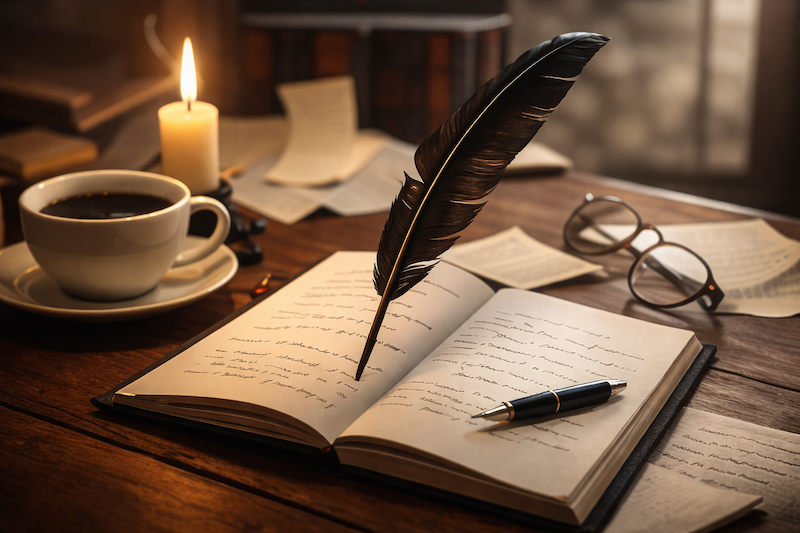
Payment Methods Through the Ages

Charles Dickens' ghost materializes at my desk.

"I was paid by the word," he says proudly. "Every sentence earned its keep."

"Fascinating," I reply. "I'm also paid by the word."

"Splendid! How much per word?"

"No, I meant... I pay. Per word. To my therapist. Describing why I write."

Article Feb 6, 01:18 AM

The Workhouse Survivor Who Became Literature's Greatest Revenge Artist: Charles Dickens at 214

Charles Dickens didn't just write books—he weaponized trauma into bestsellers. Born 214 years ago today in a Portsmouth hovel, this scrappy kid who spent his childhood gluing labels on boot polish jars would grow up to haunt the nightmares of every Victorian hypocrite. Forget your image of a respectable bearded gentleman; Dickens was essentially the punk rocker of his era, tearing down the establishment one serialized chapter at a time.

Let's get the uncomfortable stuff out first, shall we? At twelve years old, while his father rotted in debtor's prison, young Charles was shipped off to Warren's Blacking Warehouse to earn his keep. Picture this: a sensitive, ambitious boy surrounded by rats and shoe polish, working ten-hour days while his family ate prison food. Most people would need decades of therapy. Dickens? He filed it all away in that magnificent brain of his and later served it cold in novels that made wealthy readers choke on their afternoon tea.

Oliver Twist was Dickens essentially saying, "You want entertainment? Fine, I'll show you what happens to orphans in your precious workhouses." The novel hit London society like a sledgehammer wrapped in velvet. Sure, readers got their thrilling plot and memorable villains, but they also got a brutal exposure of the Poor Law system. Fagin, the Artful Dodger, Bill Sikes—these weren't just characters, they were indictments. And that famous line, "Please, sir, I want some more"? It became the most devastating critique of institutional cruelty ever penned.

But here's where Dickens gets really interesting: the man was an absolute machine. While other authors nursed their genius with wine and melancholy, Dickens was essentially running a literary factory. He edited magazines, wrote serialized novels, performed dramatic readings, managed a theatrical company, fathered ten children (yes, ten!), walked fifteen miles a day through London streets, and still found time to campaign for social reform. If LinkedIn had existed, his productivity posts would have been insufferable.

David Copperfield arrived in 1850, and Dickens finally stopped pretending his novels weren't autobiographical therapy sessions. The opening line—"Whether I shall turn out to be the hero of my own life, or whether that station will be held by anybody else, these pages must show"—is basically Dickens grabbing the reader by the collar and whispering, "Buckle up, this one's personal." The blacking warehouse appears again, thinly disguised. The debtor's prison makes its cameo. Dickens was processing his childhood trauma in public, and Victorian England was paying handsomely for the privilege of watching.

The genius of Dickens wasn't just his storytelling—it was his business model. He invented the cliffhanger ending. Each monthly installment of his novels would stop at the most agonizing moment possible, leaving readers literally lining up at the docks in New York to shout at arriving ships: "Is Little Nell dead?" He was creating binge-worthy content a century and a half before Netflix existed. The man understood audience manipulation on a level that would make modern showrunners weep with envy.

Great Expectations, published in 1861, might be his masterpiece of controlled fury. Pip's journey from blacksmith's apprentice to "gentleman" is really Dickens laughing at everyone who ever thought money made you better than anyone else. Miss Havisham, rotting in her wedding dress among cobwebs and cake, isn't just memorable—she's the ultimate symbol of how the upper classes were emotionally dead inside. And Estella, raised to break hearts as revenge against men? That's some next-level psychological warfare disguised as a coming-of-age story.

Here's what modern readers often miss: Dickens was genuinely dangerous to the status quo. His novels weren't just popular entertainment; they were political weapons. After Oliver Twist, Parliament actually investigated workhouse conditions. After Nicholas Nickleby exposed Yorkshire boarding schools, many shut down in shame. The man was doing investigative journalism with fictional characters, and it worked better than any newspaper editorial ever could.

Of course, Dickens wasn't a saint—nobody who abandons their wife after twenty years and ten children qualifies for that title. His affair with eighteen-year-old actress Ellen Ternan remains one of Victorian literature's juiciest scandals. He even tried to have his wife committed to an asylum when she objected to the separation. The champion of the downtrodden had some serious blind spots when it came to the women in his own house. It's a reminder that great artists are often terrible humans, and Dickens was both in spectacular measure.

His death in 1870 left a novel unfinished—The Mystery of Edwin Drood—which has driven scholars mad for 150 years trying to figure out who the murderer was. It's almost too perfect: the master of suspense exiting the stage with the ultimate cliffhanger. Thousands attended his funeral at Westminster Abbey, though he'd requested a simple, private burial. Even in death, Dickens couldn't avoid being a public spectacle.

What does Dickens mean today, 214 years after his birth? Every time you read a story with a plucky orphan overcoming odds, that's Dickens. Every villain with a quirky verbal tic, every atmospheric description of urban squalor, every plot twist designed to make you gasp—all of it traces back to that boy in the blacking warehouse who decided the pen would be his revenge. He didn't just influence literature; he rewired how stories work.

So raise a glass to Charles Dickens: trauma survivor, workaholic, revolutionary, hypocrite, genius. The man who proved that the best revenge against a society that discards its children is to become so famous that society can never forget what it did. Two centuries later, we're still reading, still gasping, still asking for more.

Article Feb 5, 01:13 PM

The Workhouse Kid Who Made Victorian England Weep: Charles Dickens at 214

Two hundred and fourteen years ago, a boy was born who would grow up to make the entire British Empire ugly-cry into their tea. Charles Dickens didn't just write novels—he weaponized sentimentality, invented Christmas as we know it, and somehow convinced millions of people to care about orphans, debtors, and the unwashed masses.

Before Dickens, poor people in literature were either comic relief or cautionary tales. After Dickens, they were human beings with feelings and backstories that would haunt you for weeks. The man basically invented social justice fiction while getting filthy rich doing it, which is either brilliant irony or peak capitalism—take your pick.

Let's talk about the elephant in the Victorian parlor: Dickens had daddy issues that would make Freud weep with joy. When Charles was twelve, his father John got thrown into Marshalsea debtors' prison, and young Charlie was shipped off to work at a boot-blacking factory, pasting labels onto shoe polish containers. This trauma never left him. He wrote about debtors' prisons, workhouses, and child labor with the kind of obsessive detail that screams "I'm still not over this, and neither should you be."

Oliver Twist hit the streets in 1837 like a literary Molotov cocktail. Here was a novel that said, essentially, "Hey, upper-class England, your workhouses are churning out criminals and corpses, and maybe that's a design flaw?" The famous line "Please, sir, I want some more" became shorthand for everything wrong with institutional cruelty. Dickens didn't just describe poverty—he made his readers feel personally guilty about it, which is a neat trick if you can pull it off.

But Oliver Twist was just the warm-up act. David Copperfield, published in 1850, was Dickens essentially writing his own therapy journal and selling it chapter by chapter. The autobiographical elements are about as subtle as a brick through a window. Young David's humiliation at the wine-bottling warehouse? That's Charles at the blacking factory. The imprisonment of Mr. Micawber? Hello again, Dad in Marshalsea. Dickens later called it his "favourite child" among his books, probably because writing it was cheaper than actual therapy.

Then came Great Expectations in 1861, which might be the most perfectly constructed novel Dickens ever wrote. It's got everything: class anxiety, romantic obsession, mysterious benefactors, and the message that maybe—just maybe—being a gentleman isn't about money or manners but about being a decent bloody human being. Pip's journey from blacksmith's apprentice to London snob and back to basic human decency is the Victorian equivalent of a coming-of-age indie film, except with better dialogue and more convicts.

Here's what truly set Dickens apart from his contemporaries: the man was a marketing genius before marketing was even a profession. He published most of his novels in weekly or monthly installments, which meant readers had to keep buying magazines to find out what happened next. It was Victorian Netflix, basically. When the ship carrying the final installment of The Old Curiosity Shop arrived in New York, crowds gathered at the dock shouting "Is Little Nell dead?" The man knew how to build suspense and monetize emotional investment simultaneously.

Dickens also practically invented the modern Christmas. Before A Christmas Carol dropped in 1843, the holiday was a minor religious observance that most people ignored. After Scrooge, Tiny Tim, and those three terrifying ghosts, Christmas became about family gatherings, charitable giving, and vaguely threatening the rich with supernatural consequences for being stingy. Every mall Santa, every charity collection box, every office Christmas party owes something to a guy who wrote a novella in six weeks because he needed quick cash.

The influence on literature is almost impossible to overstate. Dickens proved that popular fiction could also be socially conscious fiction. He showed that you could make people laugh and cry on the same page. His character names—Scrooge, Fagin, Uriah Heep, Miss Havisham—have become part of the language itself. When we call someone a "Scrooge," we're paying royalties to a man who's been dead for over 150 years.

Was he perfect? God, no. His treatment of his wife Catherine was appalling—after she gave him ten children, he essentially dumped her for a younger actress and then wrote newspaper articles implying Catherine was mentally unstable. His portrayals of women often swing between angelic martyrs and comic grotesques. And don't get me started on some of his racial characterizations, which have aged about as well as Victorian sewage systems.

But here's the thing about Dickens that keeps him relevant 214 years after his birth: he understood that stories have power. Real, tangible, change-the-world power. His novels didn't just describe social problems—they helped solve them. Workhouse reform, educational reform, sanitation reform—all were influenced by public opinion that Dickens helped shape. He proved that a writer with enough talent and enough reach could actually move the needle on policy.

So raise a glass to Charles John Huffam Dickens, the traumatized factory boy who became the most famous writer in the English-speaking world. He gave us Oliver asking for more, Pip learning humility, David finding himself, and Scrooge discovering his humanity at the last possible moment. He made Victorian England look in the mirror and squirm. And 214 years later, we're still reading his books, still watching his adaptations, and still arguing about whether his novels are too long. They probably are. Read them anyway.

Nothing to read? Create your own book and read it! Like I do.

Create a book
1x

"You write in order to change the world." — James Baldwin