Humor and Irony
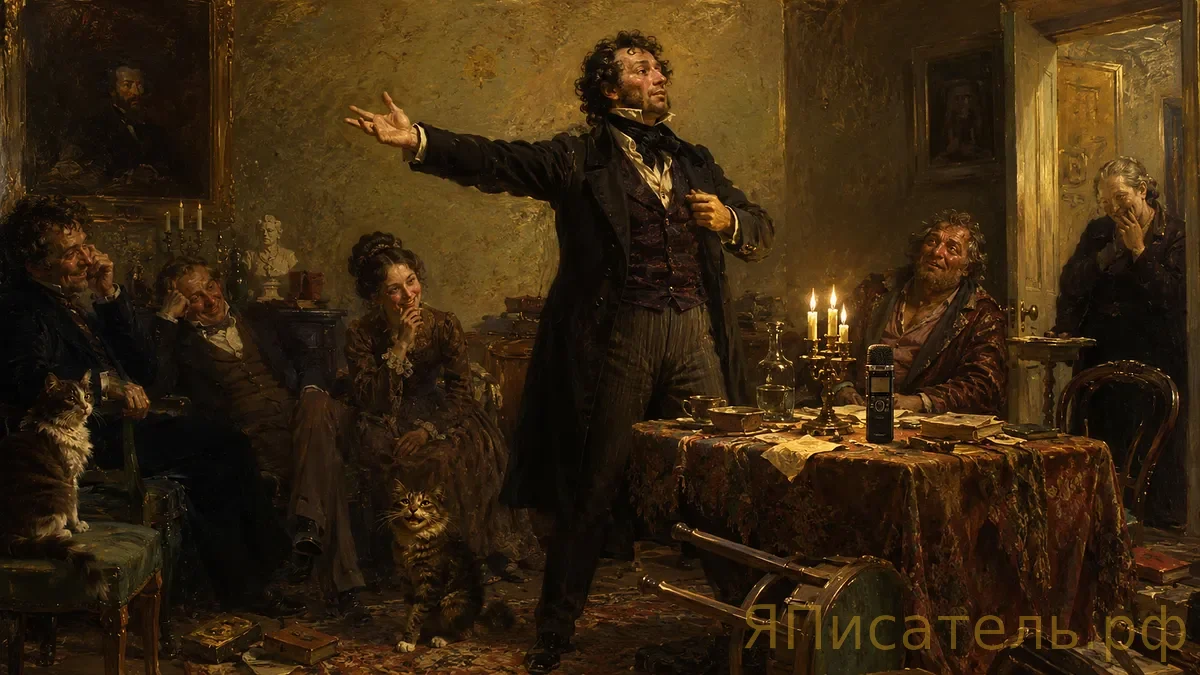
Explore how Russian writers employ humor and irony—often dark or philosophical—to deepen rather than undermine serious themes. Humor serves characterization and thematic purposes beyond entertainment.
Russian literature employs humor distinctively, often mixing comedy with tragedy, darkness with lightness in ways that deepen rather than diminish serious themes. Russian humor frequently operates through irony: the gap between appearance and reality, intention and result, statement and meaning. A character speaks truth through mockery; solemn declarations reveal hidden absurdity; tragic circumstances generate dark comedy. Russian writers understood that simultaneous humor and seriousness mirrors actual human experience: people laugh in crisis, employ irony to cope with horror, and find black comedy in desperate situations. This technique requires delicate balance; heavy-handed humor undermines tragedy while overly earnest treatment ignores how humans actually process suffering. Dostoevsky employed dark humor to expose philosophical pretension: characters' grand theories collide with mundane reality with comic effect. Turgenev used irony to expose social hypocrisy. The humor must emerge authentically from character and situation rather than authorial intrusion. Secondary characters often provide comic relief, but in Russian literature, this relief serves thematic purposes—a foolish character might embody greater wisdom than the protagonist, a comic character might articulate uncomfortable truths, petty concerns might highlight grand delusions. Irony operates at multiple levels: verbal irony where characters say opposite of what they mean, situational irony where events contradict expectations, and dramatic irony where readers understand implications characters miss.
Loading comments...