Content Feed

Discover interesting content about books and writing

Tip May 23, 08:16 PM

Character Motivation and Logic
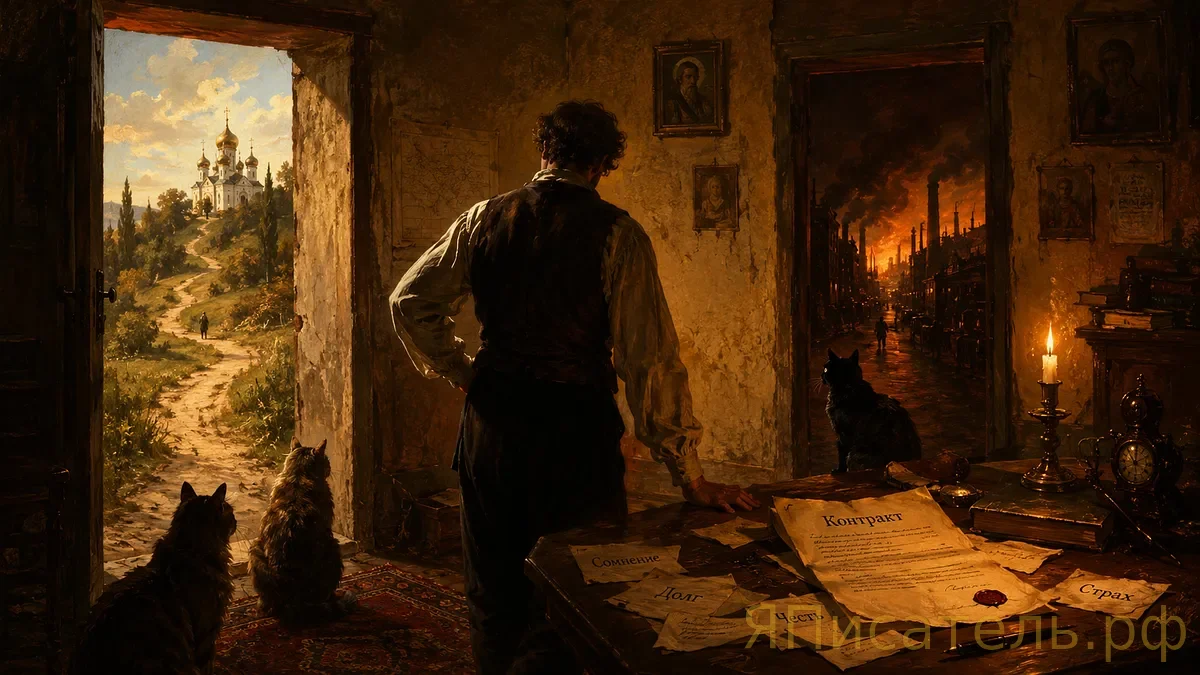
Character Motivation and Logic

Master how Russian writers establish convincing character motivations that feel inevitable while remaining surprising. Motivation emerges from psychological complexity and internal contradiction rather than surface desires.

Character motivation in Russian literature extends beyond simple goals or desires to encompassing psychological complexity where characters pursue contradictory aims simultaneously. Raskolnikov doesn't simply want to commit murder; he desires to test a philosophy, prove superiority, justify rationality, and destroy his own soul simultaneously. Effective motivation requires establishing internal logic that readers understand even when disagreeing: we comprehend why characters pursue self-destructive paths when we understand the psychology driving these choices. Russian writers demonstrated that motivation remains hidden even from characters themselves: a character might act for stated reasons while unconscious motivations drive genuine behavior. This complexity creates depth: characters surprise themselves through their own actions, recognize motivations only through consequences, and deceive themselves about what they truly desire. Establishing motivation requires showing rather than explaining: readers understand character psychology through accumulated action, dialogue patterns, internal monologue, and choices made under pressure. Motivation must account for contradictions: good people perform terrible acts, selfish people show surprising generosity, cowards demonstrate courage, and strength becomes weakness. The most compelling motivation feels inevitable in retrospect—readers recognize that prior psychology and circumstances made specific choice inevitable—while remaining surprising at the moment of action. Motivation should evolve: what drives characters early in narrative might shift through experience, trauma, or self-discovery, and changing motivation marks psychological transformation.

Tip May 9, 01:32 PM

Create Complex Antagonists Rather Than Pure Evil

The most compelling antagonists are complex, motivated by comprehensible goals. Even villainous characters should believe in the righteousness of their actions from their own perspective.

Stories with one-dimensional villains who are simply evil feel thin and unconvincing. The most compelling antagonists are complex characters pursuing goals that make sense from their perspective, even when readers disagree with their methods. Antagonists should be as fully realized as protagonists. They should have believable motivations, internal conflicts, and perhaps even legitimate grievances against the protagonist. A powerful antagonist is one readers understand, might sympathize with under different circumstances, or respect for commitment to their values—even while opposing their actions. Dostoevsky's Raskolnikov in Crime and Punishment is both protagonist and antagonist to other characters. His crimes emerge from philosophical reasoning that he finds compelling, making him understandable even as readers recoil from his actions. This complexity generates moral weight that a simple evil character never achieves. Consider your antagonist's perspective. Why do they believe their actions are justified? What would convince them they're wrong? What would happen if they succeeded? The most interesting antagonists are those who threaten the protagonist not through arbitrary malice but through opposing legitimate interests, different values, or competing visions of how the world should be. A character fighting to preserve tradition against a protagonist fighting for progress—both positions carry weight. An antagonist who threatens the protagonist's comfortable life but advances justice. An opponent pursuing the same goal as the protagonist by different means. These create genuine moral complexity that engages readers' thinking beyond simple good-versus-evil dynamics. Develop your antagonist as thoroughly as your protagonist. This creates conflict that feels significant because both sides are comprehensible and motivated.

Nothing to read? Create your own book and read it! Like I do.

Create a book
1x

"You must stay drunk on writing so reality cannot destroy you." — Ray Bradbury