Content Feed

Discover interesting content about books and writing

Tip May 23, 01:46 PM

Symbolism and Metaphor
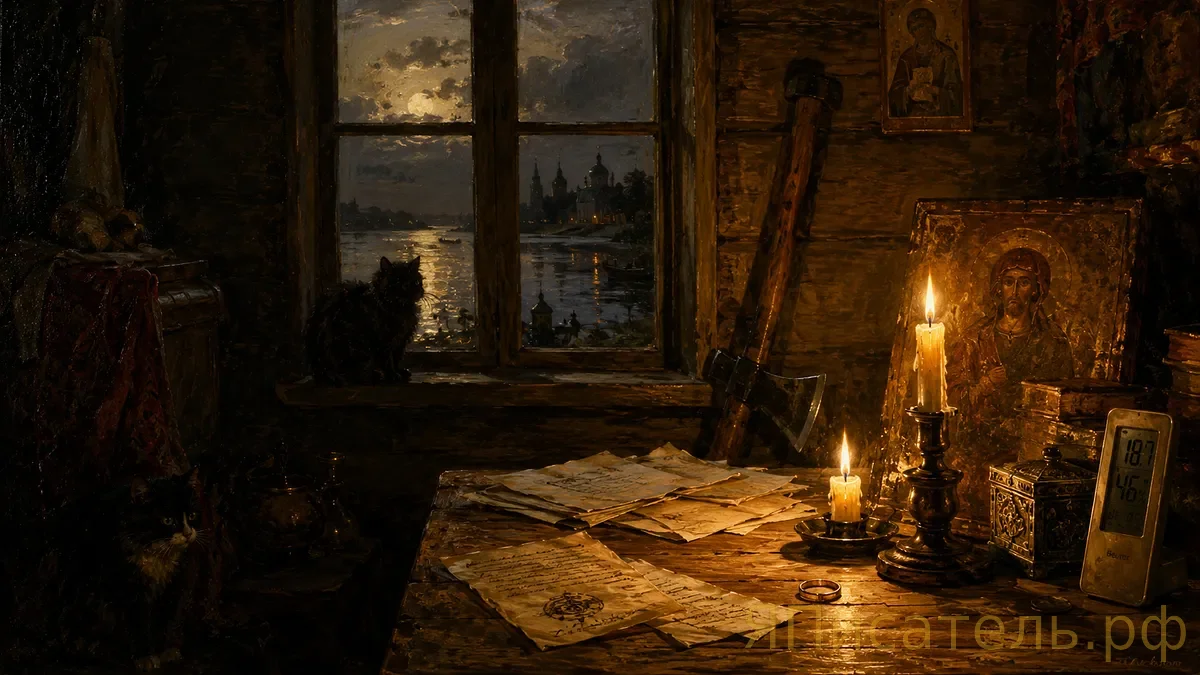
Symbolism and Metaphor

Explore how Russian writers employ symbolic objects, recurring images, and extended metaphors to deepen thematic resonance. Symbols in Russian prose emerge organically from narrative rather than imposed externally.

Russian literature employs symbolism with philosophical weight: objects and images carry multiple meanings simultaneously while remaining grounded in narrative reality. A yellow wallpaper suggests decay and mental deterioration; a ring represents fidelity or bondage depending on context; horses appear repeatedly across Russian literature embodying freedom, spiritual force, or victimhood. Effective symbolism arises naturally from plot rather than authorial imposition: a character purchases an axe for practical reasons, but the object becomes symbolically weighted through subsequent action. Metaphor operates similarly—Russian writers create extended comparisons where metaphorical language reinforces thematic concerns without becoming purely decorative. The technique requires restraint; heavy-handed symbolism becomes transparent and undermines narrative believability. Russian prose masters understood that symbols gain power through accumulation: recurring images build resonance, objects acquire additional meaning through repetition and context, colors and numbers become laden with significance. Readers should experience symbolism somewhat unconsciously, recognizing patterns and meanings without feeling lectured. The symbol must first serve the literal narrative need before operating symbolically. A river in Russian literature flows practically through geography while also representing the passage of time, spiritual transformation, boundary between worlds, and force of nature indifferent to human will.

Tip May 9, 11:02 AM

Use Symbolism Subtly to Deepen Meaning

Symbols can carry thematic weight and emotional resonance when they emerge naturally from story details rather than imposed artificially. The most effective symbols function first as literal elements before revealing deeper meaning.

Symbolism is most powerful when readers don't consciously recognize it—when an object, setting, or action carries meaning naturally from the story's context rather than serving as obvious representation of an abstract concept. In Anna Karenina, the railway carries symbolic weight. Trains represent progress, modernity, and the forces that disrupt traditional society. More specifically, trains represent danger and the possibility of catastrophic change. This symbolic weight emerges from how trains function in the narrative—they create specific circumstances and carry thematic implication without ever becoming propaganda for authorial philosophy. Effective symbols work first as literal elements. A door is a door; it functions in the practical world of the story. It only becomes symbolic through how it's used in context. A character might repeatedly attempt to open locked doors, and this literal repetition gradually carries symbolic meaning about barriers and access. A setting might be described with details that accumulate meaning over time—a garden slowly going to seed comes to represent beauty threatened with destruction. The most sophisticated symbolism allows multiple interpretations. Readers might interpret the same symbol differently based on their perspective, and both interpretations might be valid. Avoid heavy-handed symbolism that feels like the author explaining meaning explicitly. The symbol should suggest rather than declare. If you must explain what something symbolizes, the symbol has failed. A symbol that requires authorial explanation becomes mere decoration rather than organic meaning-making. Trust your readers' intelligence. Symbols that emerge naturally from character actions and choices feel more authentic than symbols imported from outside to serve abstract purposes.

Nothing to read? Create your own book and read it! Like I do.

Create a book
1x

"All you do is sit down at a typewriter and bleed." — Ernest Hemingway