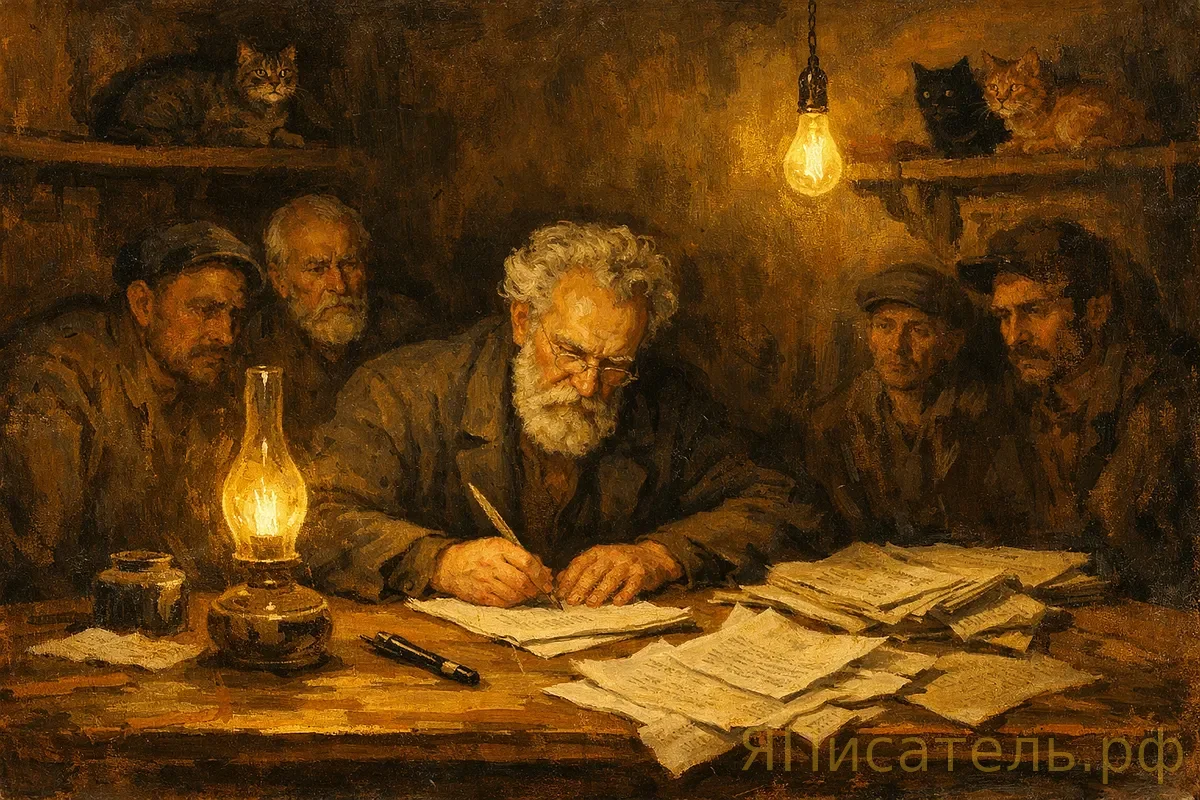
How Korolenko Made Realism a Moral Imperative
Korolenko refused detachment. Observation demanded moral response. Social realism became political action in textual form. His narratives exposed injustice through accumulated detail. The powerless received dignified representation. Their suffering refused sentimentalization yet demanded acknowledgment. Korolenko's technique involved scrupulous attention combined with philosophical conviction. Characters possessed interiority while exemplifying systemic conditions. The synthesis proved potent. Later writers recognized Korolenko's achievement as paradigmatic—literature could simultaneously document reality and demand justice. His work articulated that observation without moral engagement constituted complicity. The ethical imperative animated his prose. Symbolism never obscured social specificity. Metaphor served concrete purposes. Korolenko demonstrated that engaged literature need not sacrifice aesthetic sophistication. His influence persisted through Soviet-era writers who inherited his commitment to combining formal innovation with moral seriousness.
Вставьте этот код в HTML вашего сайта для встраивания контента.