Consejo 6 feb, 16:25

The Borrowed Ritual: Let Characters Inherit Habits From People They've Lost

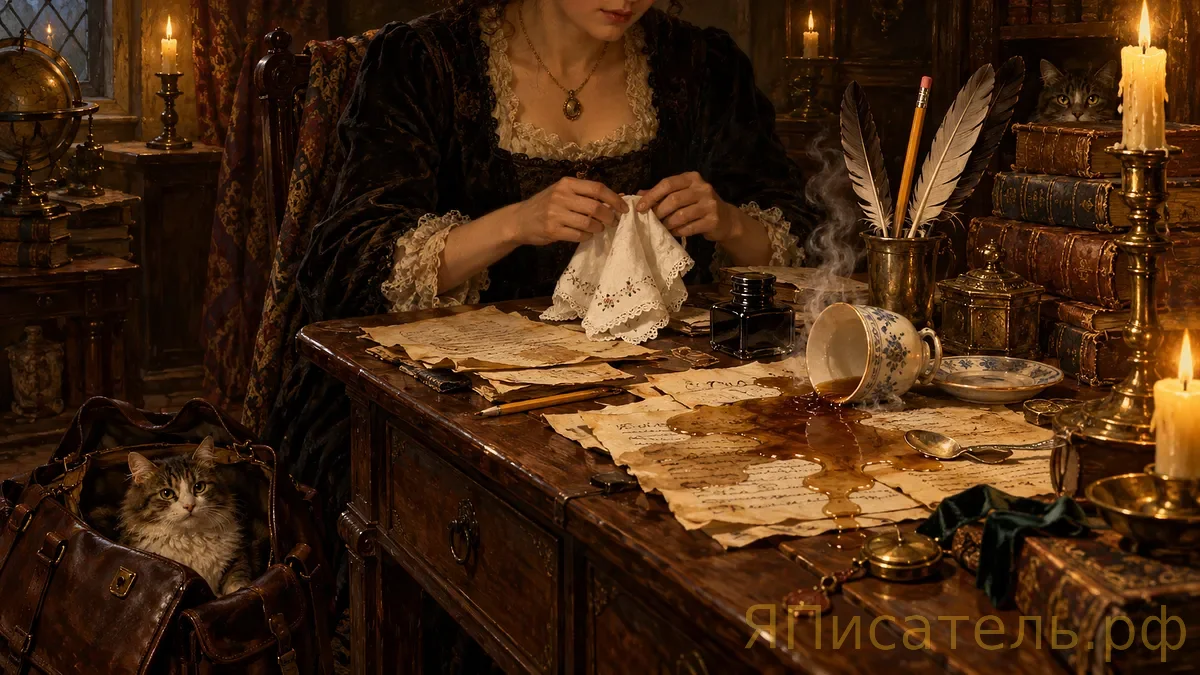
This technique works on multiple psychological levels. First, it demonstrates how we absorb the people we love (or resent) into our bodies without permission. Second, it creates dramatic irony when readers know the ritual's origin but other characters don't. Third, it allows you to write about death, abandonment, or estrangement without ever using those words.

The borrowed ritual becomes especially powerful when characters consciously hate what they're doing but cannot stop. A son who resented his alcoholic father's habit of checking every lock twice might find himself doing the same thing every night, frustrated and ashamed. This internal tension—the body betraying the mind's resistance—creates rich characterization without a single line of backstory.

Consider varying the emotional register: borrowed rituals can express love, resentment, grief, or complicated mixtures. They can be comforting (a mother's lullaby hummed unconsciously) or disturbing (an abuse survivor flinching at raised voices). The ritual itself carries neutral information; context and reaction provide the emotional charge.

1x

Comentarios (0)

Sin comentarios todavía

Registrate para dejar comentarios

Lee También

The Betraying Threshold: Use Doorways to Force Decisions
Consejo
about 12 hours hace

The Betraying Threshold: Use Doorways to Force Decisions

Place your characters at literal thresholds—doorways, gates, bridges—when they must make irreversible choices. The physical act of crossing creates a visceral moment of commitment that readers feel in their bodies. Before the threshold, your character can still retreat. After, they cannot. This technique works because architecture becomes psychology. In Bram Stoker's 'Dracula,' Jonathan Harker notices that Count Dracula never invites him to cross a threshold—he must choose to enter himself. Each doorway Harker walks through deepens his entrapment. The castle's many doors become symbols of choices he cannot unmake. When writing threshold scenes, slow the pacing dramatically. Describe the door itself, the character's hand on the handle, the sounds from the other side. Let them pause. Let them almost turn back. Then have them step through—and immediately show how the world on the other side is subtly different from what they expected.

0
0
The Weighted Silence: Make What Characters Don't Say Louder Than Dialogue
Consejo
about 18 hours hace

The Weighted Silence: Make What Characters Don't Say Louder Than Dialogue

Master the art of meaningful omission. When characters deliberately avoid mentioning something obvious, that silence creates more tension than any spoken word. Have them talk around the issue while readers feel pressure building. When two estranged brothers meet after their father's funeral, don't have them argue about inheritance. Have them discuss weather, catering quality, parking spaces—anything except what matters. Each mundane exchange becomes charged with unspoken grief. Plant 'pressure leaks'—moments where the suppressed topic almost surfaces. A pause too long, a sentence trailing off, a sudden subject change. These micro-fractures signal something important beneath the surface.

0
0
The Contradictory Detail: Make Characters Want Two Things at Once
Consejo
1 day hace

The Contradictory Detail: Make Characters Want Two Things at Once

Give your characters simultaneous, incompatible desires within the same scene. A mother watching her child leave for danger feels proud and terrified, wanting to pull them back and push them forward in the same breath. The key is specificity: show it through action. The character reaches for the door handle, then adjusts the traveler's collar instead. They say 'be careful' when they mean 'don't go' and 'I believe in you' simultaneously. This transforms passive emotional scenes into dynamic ones. Avoid resolving the contradiction quickly. Let the reader feel the discomfort of wanting two impossible things. This mirrors real human experience far more accurately than clean, single-minded motivation.

0
0
The Mirror Shows Tomorrow
Horrores Nocturnos
22 minutes hace

The Mirror Shows Tomorrow

I bought the antique mirror at an estate sale for twenty dollars. The old woman running the sale looked relieved when I handed her the money, almost grateful, as if I'd taken something terrible off her hands. "It belonged to my mother," she said, not meeting my eyes. "She stopped looking into it three days before she died." I should have asked why. I should have walked away. Instead, I loaded it into my car and brought it home to hang in my bedroom, directly across from my bed.

0
0
She Cursed Me with Eternal Love
Romance Oscuro
about 3 hours hace

She Cursed Me with Eternal Love

I met her on the night of the blood moon, when the veil between worlds grew thin. She stood at the edge of the cemetery, her dark hair whipping in the wind like smoke, and when she turned to look at me, I knew I was already lost. "You shouldn't have come here," she whispered, her voice ancient despite her youthful face. I should have run. Instead, I stepped closer.

0
0
Writing for Money: Selling Out or Being Professional? The Dirty Secret Every Starving Artist Refuses to Admit
Artículo
about 5 hours hace

Writing for Money: Selling Out or Being Professional? The Dirty Secret Every Starving Artist Refuses to Admit

Let's get something straight: if you think writing for money makes you a sellout, congratulations—you've swallowed the most destructive myth in literary history. That romantic image of the tortured genius dying in a garret, scribbling masterpieces between coughing fits? It's garbage. Beautiful, poetic garbage that has convinced generations of talented writers to starve while mediocre hacks cash checks. Here's the uncomfortable truth that your MFA program never taught you: almost every writer you worship was obsessed with money.

0
0

"Todo lo que haces es sentarte y sangrar." — Ernest Hemingway