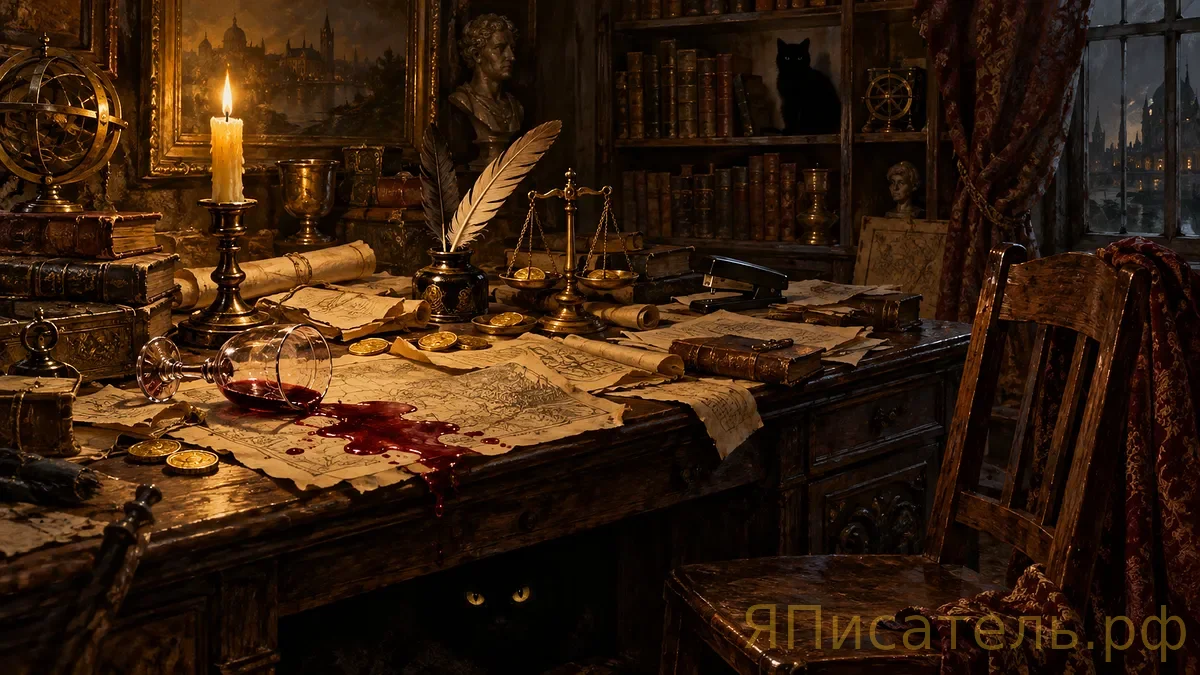
Writing for Money: Selling Out or Being Professional? The Dirty Secret Every Starving Artist Refuses to Admit
Let's get something straight: if you think writing for money makes you a sellout, congratulations—you've swallowed the most destructive myth in literary history. That romantic image of the tortured genius dying in a garret, scribbling masterpieces between coughing fits? It's garbage. Beautiful, poetic garbage that has convinced generations of talented writers to starve while mediocre hacks cash checks.
Here's the uncomfortable truth that your MFA program never taught you: almost every writer you worship was obsessed with money. Shakespeare? The man was a theatrical entrepreneur who held shares in the Globe Theatre and retired wealthy to Stratford. He wrote what audiences would pay to see. Hamlet wasn't born from some pure artistic vision—it was crafted to fill seats and sell groundling tickets at a penny a head.
Charles Dickens might be the poster child for this conversation. The literary saint who gave us Oliver Twist and A Christmas Carol? He published in serialized installments specifically because it maximized his income. He was paid by the word—and suddenly those famously elaborate descriptions make perfect financial sense. Dickens didn't just write for money; he structured his entire creative process around monetization. He toured America doing paid readings that made him a fortune. The man was a content machine before content machines existed.
But wait, you say, those were commercial writers. What about the real artists? Okay, let's talk about Fyodor Dostoevsky. The author of Crime and Punishment, that towering achievement of psychological literature, wrote it in desperate haste because he'd gambled away his advance and needed to deliver or face debtor's prison. He literally dictated The Gambler in twenty-six days to meet a predatory contract deadline. His greatest works were produced under crushing financial pressure. Suffering for art? Sure. But also suffering for rubles.
The myth of the pure artist who transcends commerce is largely a twentieth-century invention, and it's been weaponized against writers ever since. It's used by publishers to justify terrible advances. It's used by content farms to pay pennies for articles. It's internalized by writers who then feel guilty for wanting fair compensation. The starving artist trope isn't romantic—it's a scam.
Consider F. Scott Fitzgerald, who wrote short stories for The Saturday Evening Post at premium rates while working on The Great Gatsby. He called these commercial pieces his "trash," but they paid for his lifestyle and bought him time for his "serious" work. Was he selling out? Or was he being strategic? The distinction matters less than people think. Those Post stories, by the way, are now studied in universities. Yesterday's sellout is today's syllabus.
Here's where it gets interesting: some of the most experimental, boundary-pushing literature was created specifically for commercial purposes. Edgar Allan Poe invented the detective story because mysteries sold well in magazines. H.P. Lovecraft wrote for the pulps. Philip K. Dick churned out science fiction novels at breakneck speed because he needed rent money—and accidentally created some of the most influential speculative fiction of the century. Commercial pressure doesn't kill creativity. Often, it sharpens it.
The real question isn't whether you write for money. The real question is: does the money compromise your craft? And this is where the conversation gets nuanced. There's a difference between writing well for a paying market and writing badly because a paying market asks you to. The professional writer finds the intersection between what they want to say and what someone will pay to read. The sellout abandons their voice entirely. One is adaptation; the other is artistic death.
Modern authors understand this better than their predecessors pretended to. Brandon Sanderson made headlines by revealing he'd secretly written five novels during the pandemic—and then raised forty-one million dollars on Kickstarter to publish them. Stephen King has spoken openly about writing early novels under a pseudonym to maximize his output and income. Neil Gaiman writes novels, comics, screenplays, and television—not because he's scattered, but because diverse income streams allow creative freedom. Professionalism isn't the enemy of art; poverty is.
The most insidious version of the "sellout" accusation comes from other writers. Usually unsuccessful ones. It's a defense mechanism: if commercial success equals artistic failure, then their own obscurity becomes a badge of honor. But this is cope, pure and simple. Rejecting money doesn't make your work better. It just makes you broke.
Let me be provocative: the writer who refuses to consider their audience, who scorns the marketplace entirely, who insists on pure self-expression regardless of whether anyone wants to read it—that writer isn't noble. They're self-indulgent. Art is communication. Communication requires a receiver. If you write exclusively for yourself, you're keeping a diary, not creating literature.
This doesn't mean chasing trends mindlessly or writing only what algorithms favor. It means recognizing that writing is both an art and a craft, and craft implies work, and work deserves compensation. The carpenter who builds a beautiful table isn't a sellout for charging money. The surgeon who saves lives expects a salary. Why should writers be different?
The answer, of course, is that we've been conditioned to believe creativity shouldn't be compensated. That real art must suffer. That wanting to pay rent is somehow incompatible with wanting to write something meaningful. This is a lie. Reject it.
So here's the truth I'll leave you with: the greatest writers in history were professionals. They negotiated contracts, demanded fair payment, and structured their careers around sustainability. They wrote for money AND they wrote brilliantly. The two were never mutually exclusive.
The next time someone accuses you of selling out for getting paid, ask them a simple question: would you prefer I stop writing entirely? Because that's the alternative. Writers who can't sustain themselves stop writing. And the world needs your words more than it needs your poverty.
将此代码粘贴到您网站的HTML中以嵌入此内容。