Exposition and Information Control
Master how Russian writers reveal necessary information gradually through dialogue, action, and narrative flow. Effective exposition remains invisible, woven naturally into scenes rather than fronted directly.
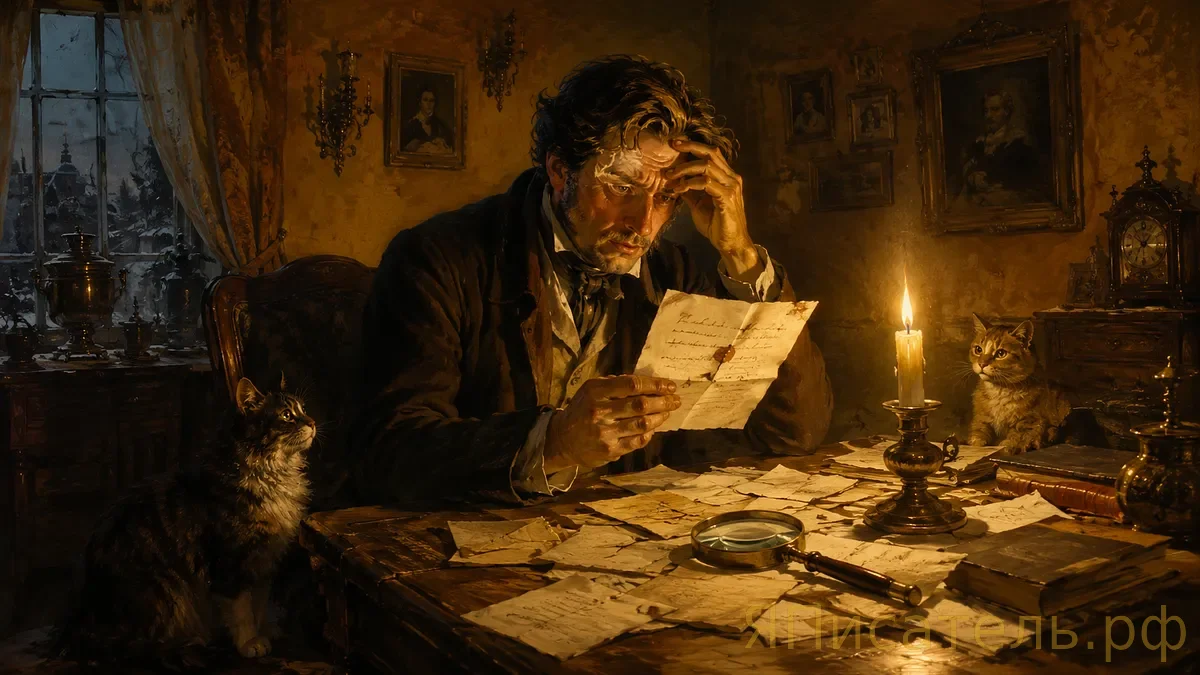
Exposition in Russian prose presents a constant challenge: readers need information about character history, social context, and backstory, yet direct information delivery risks slowing narrative and breaking immersion. Russian writers developed sophisticated techniques for embedding exposition within natural narrative: characters discuss past events that emotionally matter to them, historical context emerges through dialogue that serves multiple narrative purposes, backstory becomes relevant through present conflict. Effective exposition serves thematic or emotional purposes beyond mere information transfer: a character reveals their past because they're justifying present choices, explaining history because they're seeking understanding or forgiveness, recounting events because the retelling itself changes their current relationship. The timing of exposition matters enormously; revealing information too early leaves readers confused, too late creates frustration or confusion, at exactly the right moment deepens understanding. Russian prose often withheld crucial information strategically, building mystery and creating moments of revelation that reshape reader understanding. A technique common in Russian literature involves revealing information through seemingly casual remarks that accumulate weight through repetition and context. Another approach embeds exposition within action: characters retrieve documents revealing history, discover letters containing backstory, or stumble upon physical evidence that explains the past. Readers remain engaged when exposition serves present narrative rather than interrupting story to provide background.
Pega este código en el HTML de tu sitio web para incrustar este contenido.