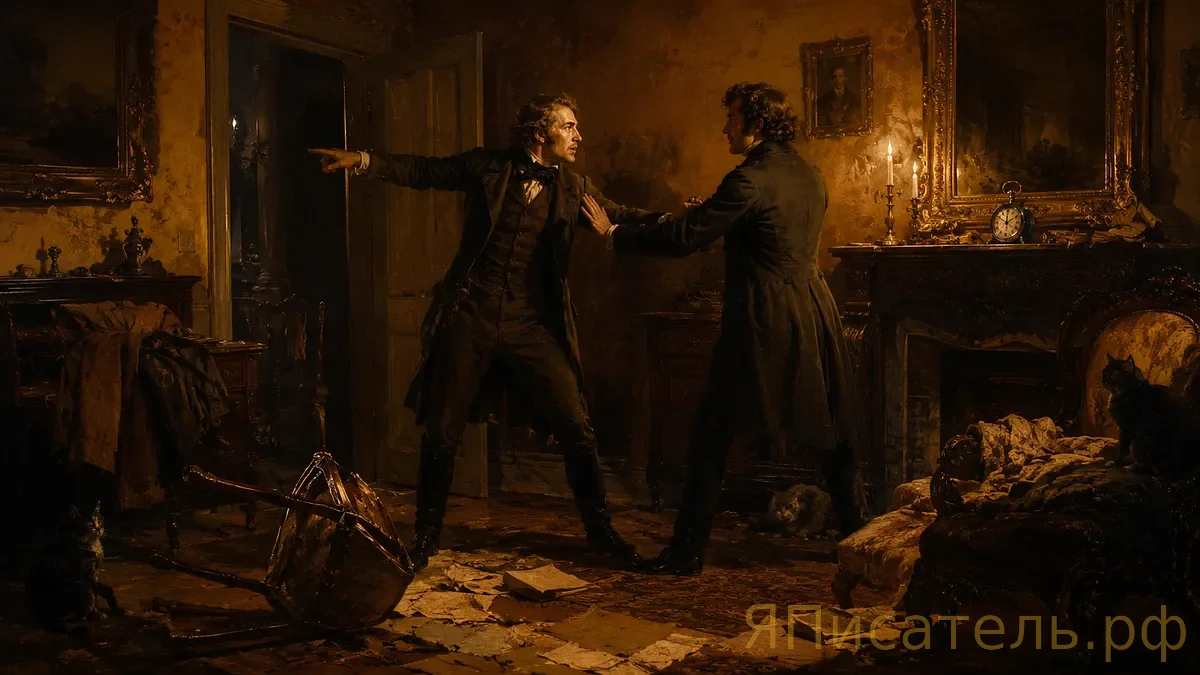
Conflict and Tension Management
Master how Russian writers construct conflict at multiple levels—external action, internal contradiction, and philosophical opposition. Effective conflict sustains reader engagement while revealing character and theme.
Conflict in Russian prose extends beyond simple antagonism between characters; it encompasses internal contradiction, ideological opposition, and struggle against circumstance. Russian writers layered conflicts: a character might struggle against an antagonist while simultaneously battling internal doubt and broader social forces. The most compelling Russian conflicts are those without clear resolution—irreconcilable positions held by sympathetic characters, impossible situations where all choices carry cost. Tension management involves controlling pacing through escalation: introducing conflict, raising stakes incrementally, denying easy resolution, and forcing characters into increasingly difficult positions. Russian prose often employs a form of tension where conflicts are stated philosophically but played out psychologically: characters debate fundamental questions about morality, faith, and meaning while experiencing personal crises that make abstract philosophy urgently concrete. The technique requires showing conflict through consistent pressure: characters cannot ignore problems, cannot escape consequences, cannot achieve victory without genuine cost. Russian writers understood that tension emerges not from sudden dramatic events but from accumulated pressure, impossible choices, and escalating complications that leave characters no viable path forward without sacrifice.
Pega este código en el HTML de tu sitio web para incrustar este contenido.