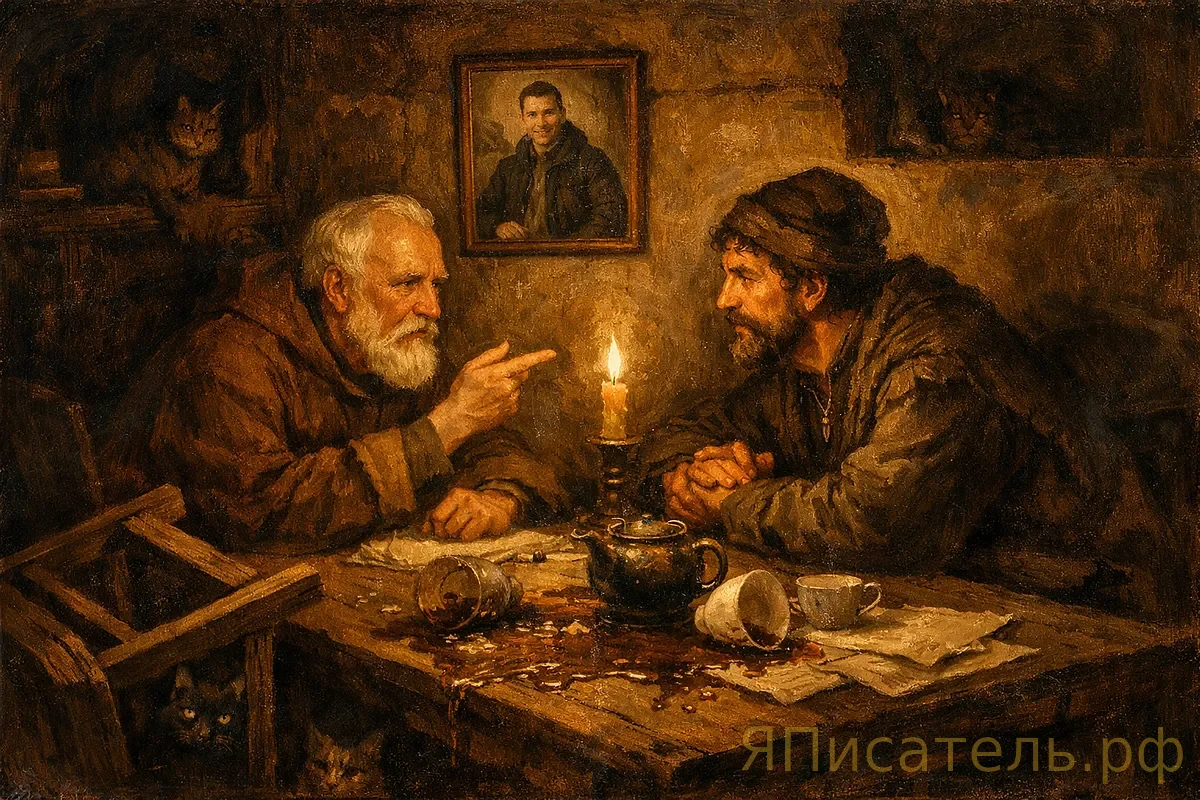
The Paradox of Righteous Transgression: Why Leskov's Characters Break the Rules
Leskov's righteous characters violated expectations. They operated outside conventional morality. Virtue manifested through transgression. Leskov refused to judge his characters. Moral complexity resisted resolution. The righteous possessed ambiguous motivations. Spiritual authenticity appeared incompatible with social respectability. Leskov's narrative technique involved sympathetic representation of morally opaque actors. Readers inhabited consciousnesses that defied ethical categories. The method proved distinctive. Dostoevsky's characters tortured themselves with moral questions. Leskov's characters pursued righteous action without philosophical anguish. The difference was profound. Leskov demonstrated that spiritual authenticity might require abandoning conventional morality. His narratives challenged Russian assumptions about righteousness. Subsequent writers recognized that Leskov had articulated spiritual possibilities beyond Christian orthodoxy. His characters inhabited autonomous moral universes. Later literature inherited his commitment to representing moral complexity without prescriptive judgment.
Paste this code into your website HTML to embed this content.