Anne of Green Gables
Book Preview
Author
Lucy Maud
Genre
Book Cover
General Book Summary
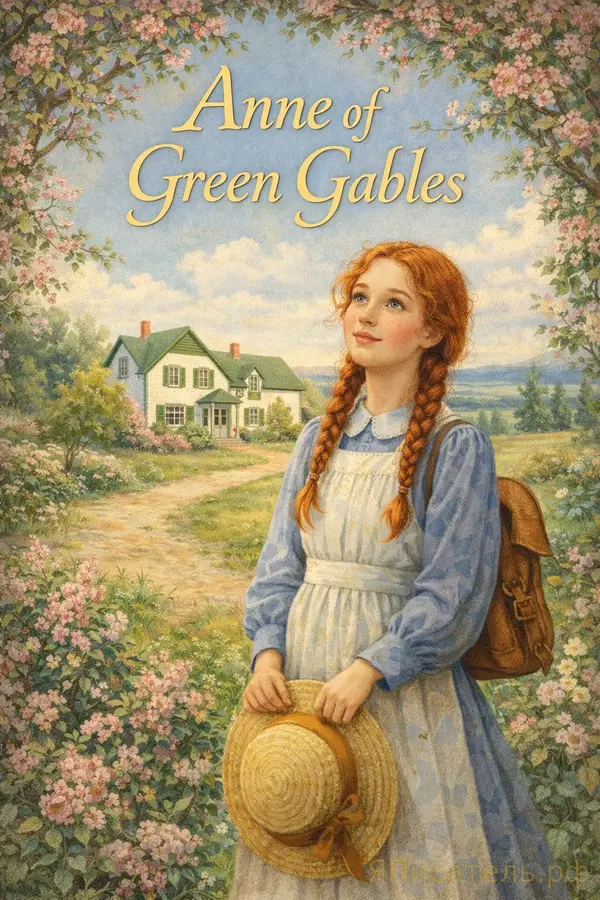
"Anne of Green Gables" is a beloved coming-of-age novel set in the picturesque rural community of Avonlea on Prince Edward Island, Canada, in the late 19th century. The story begins when middle-aged siblings Matthew and Marilla Cuthbert decide to adopt an orphan boy to help with their farm, Green Gables. However, due to a miscommunication, they receive eleven-year-old Anne Shirley instead—a thin, red-haired girl with an extraordinary imagination and an unstoppable tendency to talk. Anne arrives at Green Gables with nothing but a shabby carpet-bag and a heart full of dreams. Despite initial hesitation from the practical Marilla, who intended to send Anne back to the orphanage, the child's spirit and Matthew's quiet advocacy win them over. Anne's tragic past—orphaned at three months, passed between families who wanted her only as a servant to care for other children, and finally placed in an asylum—makes her desperate longing for a real home deeply poignant. The novel follows Anne's adventures and misadventures as she adapts to life in Avonlea. She forms a devoted "bosom friendship" with Diana Barry, the neighbor girl, and quickly becomes known throughout the community for her dramatic nature, romantic imagination, and unfortunate scrapes. Her conflicts with the stern Mrs. Rachel Lynde, her rivalry with classmate Gilbert Blythe (whom she refuses to forgive for calling her "Carrots"), and various mishaps—including accidentally dyeing her hair green and getting Diana drunk on what she thought was raspberry cordial—provide both humor and lessons in growing up. Anne transforms Green Gables with her vibrant presence, giving poetic names to ordinary places like "the White Way of Delight" and "the Lake of Shining Waters." Through Marilla's strict but loving guidance and Matthew's gentle affection, Anne blossoms from a lonely, unwanted orphan into a confident young woman. The novel explores themes of belonging, imagination, identity, the importance of home and family, and the transformative power of love and acceptance. Written with warmth, humor, and deep understanding of childhood, the story celebrates Anne's irrepressible spirit while chronicling her gradual maturation as she learns to temper her romantic flights of fancy with practical wisdom, all while never losing her essential nature.
Table of Contents
Book Excerpt
CHAPTER I. Mrs. Rachel Lynde Is Surprised
MRS. Rachel Lynde lived just where the Avonlea main road dipped down into a little hollow, fringed with alders and ladies’ eardrops and traversed by a brook that had its source away back in the woods of the old Cuthbert place; it was reputed to be an intricate, headlong brook in its earlier course through those woods, with dark secrets of pool and cascade; but by the time it reached Lynde’s Hollow it was a quiet, well-conducted little stream, for not even a brook could run past Mrs. Rachel Lynde’s door without due regard for decency and decorum; it probably was conscious that Mrs. Rachel was sitting at her window, keeping a sharp eye on everything that passed, from brooks and children up, and that if she noticed anything odd or out of place she would never rest until she had ferreted out the whys and wherefores thereof.
There are plenty of people, in Avonlea and out of it, who can attend closely to their neighbors’ business by dint of neglecting their own; but Mrs. Rachel Lynde was one of those capable creatures who can manage their own concerns and those of other folks into the bargain. She was a notable housewife; her work was always done and well done; she “ran” the Sewing Circle, helped run the Sunday-school, and was the strongest prop of the Church Aid Society and Foreign Missions Auxiliary. Yet with all this Mrs. Rachel found abundant time to sit for hours at her kitchen window, knitting “cotton warp” quilts--she had knitted sixteen of them, as Avonlea housekeepers were wont to tell in awed voices--and keeping a sharp eye on the main road that crossed the hollow and wound up the steep red hill beyond. Since Avonlea occupied a little triangular peninsula jutting out into the Gulf of St. Lawrence, with water on two sides of it, anybody who went out of it or into it had to pass over that hill road and so run the unseen gauntlet of Mrs. Rachel’s all-seeing eye.
She was sitting there one afternoon in early June. The sun was coming in at the window warm and bright; the orchard on the slope below the house was in a bridal flush of pinky-white bloom, hummed over by a myriad of bees. Thomas Lynde--a meek little man whom Avonlea people called “Rachel Lynde’s husband”--was sowing his late turnip seed on the hill field beyond the barn; and Matthew Cuthbert ought to have been sowing his on the big red brook field away...